

Understanding Your Path to Recovery from Alcohol Abuse
Alcohol abuse treatment encompasses a range of evidence-based medical and therapeutic interventions designed to help individuals overcome alcohol use disorder (AUD) and achieve lasting recovery. In 2025, millions of American adults struggle with AUD, yet only 24% receive the treatment they need.
Key Treatment Options Available:
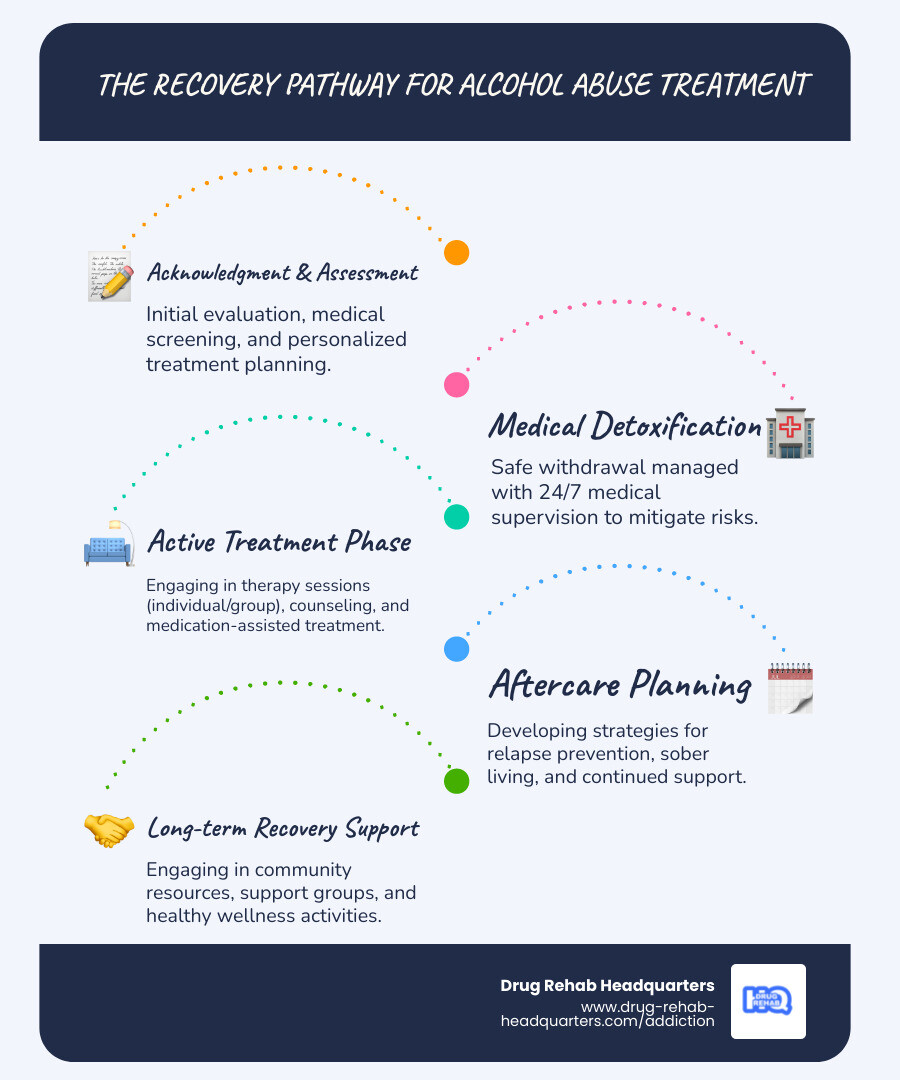
- Medical Detoxification – Supervised withdrawal management with 24/7 medical care
- Behavioral Therapies – Cognitive-Behavioral Therapy (CBT), Dialectical Behavior Therapy (DBT), and Motivational Improvement Therapy
- FDA-Approved Medications – Naltrexone, Acamprosate, and Disulfiram to reduce cravings and prevent relapse
- Levels of Care – Inpatient, residential, intensive outpatient (IOP), and standard outpatient programs
- Support Groups – Alcoholics Anonymous (AA), SMART Recovery, and peer support networks
- Aftercare Services – Ongoing counseling, sober living, and relapse prevention planning
Alcohol use disorder is a chronic medical condition, not a moral failing or lack of willpower. It’s characterized by compulsive drinking, loss of control over alcohol intake, and negative emotional states when not drinking. The good news? AUD is highly treatable with the right combination of medical care, therapy, and support.
This comprehensive guide walks you through every aspect of alcohol abuse treatment—from recognizing the warning signs and understanding diagnosis to exploring treatment options and building a sustainable recovery plan. Whether you’re seeking help for yourself or a loved one, you’ll find clear, actionable information to make informed decisions about care.
Drug Rehab Headquarters has been supporting individuals and families affected by substance abuse for years, providing confidential assistance and connecting people with effective alcohol abuse treatment resources nationwide. Our experienced team of addiction specialists and recovery advocates understands that every person’s journey is unique, and we’re here to help you find the right path forward.
Understanding Alcohol Use Disorder: Signs, Effects, and Dangers
Alcohol use disorder (AUD) is a complex condition that can manifest in various ways, impacting an individual’s health, relationships, and daily life. Recognizing the signs and understanding the potential dangers are crucial first steps toward seeking effective alcohol abuse treatment.
Recognizing the Signs of an Alcohol Problem
AUD is diagnosed based on criteria outlined in the Diagnostic and Statistical Manual of Mental Disorders (DSM-5). It’s not about how much or how often someone drinks, but rather the impact their drinking has on their life. We look for a problematic pattern of alcohol use leading to clinically significant impairment or distress.
Here are 11 key symptoms that may indicate someone has an alcohol problem or AUD:
- Drinking more or longer than intended: You find yourself unable to stick to your own limits.
- Wanting to cut down or stop but being unable to: Repeated unsuccessful attempts to reduce or control alcohol use.
- Spending a lot of time drinking, or recovering from drinking: Alcohol becomes a central focus, consuming significant time and energy.
- Craving alcohol: A strong urge or need to drink.
- Failing to fulfill major obligations: Alcohol use interferes with work, school, or home responsibilities.
- Continuing to drink despite problems: Persistent use even when it causes or worsens social or interpersonal issues.
- Giving up important activities: Reduced involvement in social, occupational, or recreational activities because of alcohol use.
- Drinking in dangerous situations: Using alcohol in physically hazardous situations (e.g., driving, operating machinery).
- Continuing to drink despite physical or psychological problems: Persistent use even when it’s known to cause or worsen a physical or mental health condition.
- Tolerance: Needing to drink more to get the same effect, or experiencing a reduced effect from the same amount of alcohol.
- Withdrawal: Experiencing unpleasant physical or psychological symptoms when alcohol effects wear off or when trying to stop drinking.
If you recognize several of these signs in yourself or a loved one, it’s a strong indicator that professional help and alcohol abuse treatment may be needed.

The Negative Health Effects of Excessive Drinking
The consequences of excessive alcohol consumption extend far beyond a hangover, impacting nearly every system in the body.
Short-term risks can be immediate and severe:
- Accidents and injuries: Impaired judgment and coordination significantly increase the risk of falls, car crashes, and other accidents.
- Alcohol poisoning: Consuming large amounts of alcohol quickly can lead to a toxic overdose, slowing breathing and heart rate to dangerous levels, which can be fatal.
- Risky behavior: Alcohol lowers inhibitions, leading to poor decisions like unprotected sex, aggressive behavior, or engaging in illegal activities.
Long-term consequences of persistent heavy drinking are even more devastating:
- Organ damage: The liver is particularly vulnerable, leading to fatty liver disease, alcoholic hepatitis, and cirrhosis. The heart can suffer from cardiomyopathy, and the pancreas from pancreatitis.
- Brain function changes: Chronic alcohol use can lead to changes in brain structure and function, worsening depression, impairing memory, learning, coordination, and problem-solving abilities.
- Increased cancer risk: Alcohol consumption is linked to an increased risk of several cancers, including those of the mouth, throat, esophagus, liver, and breast.
For more comprehensive information on how alcohol affects health, we recommend exploring resources like More on alcohol’s effects on health.
Why Alcohol Withdrawal Can Be Dangerous
For individuals who have developed a physical dependence on alcohol, suddenly stopping or significantly reducing drinking can trigger a potentially dangerous process known as alcohol withdrawal. This is not just discomfort; it can be life-threatening.
When someone drinks heavily and consistently, their central nervous system (CNS) adapts to the presence of alcohol, which is a depressant. When alcohol is removed, the CNS rebounds into a state of hyper-excitability. This can lead to a range of symptoms:
- Mild symptoms (typically appearing 6-12 hours after the last drink): Anxiety, shakiness (tremors), headache, nausea, vomiting, sweating, and insomnia.
- More serious symptoms (can develop 12-48 hours after the last drink): Hallucinations (auditory, visual, or tactile), and seizures.
- Delirium Tremens (DTs) (can occur 48-72 hours after the last drink): This is the most severe form of withdrawal, characterized by extreme confusion, disorientation, rapid heart rate, high blood pressure, fever, and severe agitation. DTs can be lethal without immediate medical intervention.
Because of these risks, individuals who have been drinking heavily should never attempt to quit “cold turkey” on their own. Medically-supervised detox is essential to manage symptoms safely, prevent complications, and provide necessary medications to ease the process. Our team at Drug Rehab Headquarters can help you find safe, medically-supervised detox options. For more details on what to expect, refer to our guide on Alcohol Detox Symptoms.
The First Steps: How to Start Your Treatment Journey
Taking the first step toward alcohol abuse treatment can feel daunting, but understanding the process makes it much more manageable. It often begins with a conversation with a trusted healthcare provider and an honest assessment of your situation.
How Alcohol Use Disorder is Diagnosed
Diagnosis is a critical part of tailoring effective alcohol abuse treatment. It typically starts with your primary care provider (PCP), who can assess your overall health and discuss your drinking habits. If they suspect an alcohol problem, they may refer you to a mental health provider specializing in addiction.
The diagnostic process usually involves:
- Questions about drinking habits: Your provider will ask about how often and how much you drink, if you’ve tried to cut back, if alcohol has caused problems in your life, and if you’ve experienced withdrawal symptoms.
- Physical examination: To check for physical signs of alcohol-related health issues.
- Lab tests: Blood tests can help identify alcohol-related organ damage (e.g., liver function) or nutritional deficiencies.
- Psychological evaluation: A mental health professional will conduct a thorough evaluation, often using questionnaires, to assess the severity of AUD and identify any co-occurring mental health conditions.
A simple screening tool like the AUDIT-C (Alcohol Use Disorders Identification Test—Concise) can also be used by healthcare providers to quickly assess risky drinking patterns. For more on the role of your PCP, you can find valuable information from the NIAAA on primary care provider, and a version of the AUDIT-C screening tool is available for reference.
Preparing for a Healthcare Appointment
Preparing for your first appointment can help you get the most out of it. It ensures you provide comprehensive information and ask all your important questions.
Here are some actionable tips:
- Consider your drinking habits: Be ready to discuss honestly how much and how often you drink, and any concerns you have.
- List your symptoms: Write down any physical or psychological symptoms you’ve experienced, even if you don’t think they’re related to alcohol.
- Include key personal information: Note any major stressors, recent life changes, or family history of alcohol problems.
- List all medications and supplements: Provide a complete list of everything you’re currently taking, including over-the-counter drugs and herbal remedies.
- Prepare questions for your provider: Don’t hesitate to ask about diagnostic steps, treatment options, potential side effects of medications, or recommended resources.
- Consider bringing a trusted friend or family member: With your consent, having a supportive person with you can help you remember information and advocate for your needs.
Understanding the Different Levels of Care
Alcohol abuse treatment is not a one-size-fits-all solution. There’s a spectrum of care levels, designed to meet varying individual needs and the severity of AUD. Our goal at Drug Rehab Headquarters is to help you find the right fit, whether it’s in a top-rated facility in your state like one of the many Drug and Alcohol Rehab Centers in Florida or a specialized program in a large city such as one of the Top 10 Cities US Treatment Addiction.
Here are the basic levels of care, as defined by the American Society of Addiction Medicine (ASAM):
- Medical Detoxification: This is the first step for many, providing 24/7 medical supervision to safely manage withdrawal symptoms. It’s often conducted in an inpatient setting (hospital or specialized detox center).
- Inpatient/Residential Treatment: Individuals live at the treatment facility for a period (often 30, 60, or 90 days, but can be longer). This offers a highly structured, immersive environment with individual and group therapy, educational sessions, and medical care. For example, you can find excellent Inpatient Drug Rehab in Texas programs.
- Partial Hospitalization Programs (PHP): Often called “day treatment,” PHPs provide intensive therapy and support for several hours a day, multiple days a week, but clients return home at night. This offers a high level of care without full residential commitment.
- Intensive Outpatient Programs (IOP): IOPs offer a step down from PHP, providing structured therapy for fewer hours per week. Clients live at home and can often continue with work or school.
- Standard Outpatient: This is the least intensive level of care, involving regular individual or group therapy sessions, typically once or twice a week. It’s suitable for individuals with milder AUD or as a step-down from more intensive programs.
We offer information on various durations, including Short Term Rehab options, to help you understand what might be best for your situation.

Core Components of Effective Alcohol Abuse Treatment
Effective alcohol abuse treatment is multifaceted, often combining therapeutic approaches with medication and addressing any co-occurring mental health conditions. This holistic approach significantly increases the chances of long-term recovery.
Evidence-Based Behavioral Therapies for Alcohol Abuse Treatment
Behavioral therapies, often referred to as alcohol counseling, are cornerstones of alcohol abuse treatment. They help individuals identify triggers, develop coping mechanisms, and change problematic behaviors.
Some of the most effective therapies include:
- Cognitive-Behavioral Therapy (CBT): This therapy helps individuals recognize and change the thinking patterns that lead to drinking. It teaches skills to identify triggers, manage cravings, and develop healthier coping strategies for stress and difficult emotions.
- Dialectical Behavior Therapy (DBT): Often used for individuals with co-occurring mental health issues, DBT focuses on emotional regulation, distress tolerance, mindfulness, and interpersonal effectiveness.
- Motivational Improvement Therapy (MET): MET helps individuals build and strengthen their motivation to change. It explores the pros and cons of drinking, helps set goals, and builds confidence in their ability to make changes.
- Family and Couples Counseling: Alcoholism affects the entire family. These sessions involve loved ones to address communication issues, heal relationships, and build a supportive home environment, which is crucial for relapse prevention.
These therapies are designed to empower you with the tools you need for sustained sobriety. For more insights into behavioral health, the American Psychological Association offers valuable resources.
Approved Medications for Alcohol Abuse Treatment
Medication-assisted treatment (MAT) is a vital component of modern alcohol abuse treatment, especially when combined with behavioral therapies. These medications are non-addictive and help manage a chronic disease, much like medication for diabetes or asthma. Less than 10% of patients with AUD are treated with medications, despite their proven effectiveness.
Three medications are approved by the FDA for treating AUD:
- Naltrexone (Revia, Vivitrol): Available as an oral pill (Revia) or a monthly injectable (Vivitrol), Naltrexone works by blocking the opioid receptors in the brain. This reduces alcohol cravings and blocks the pleasurable “high” feeling from alcohol, making drinking less rewarding. Studies show Naltrexone decreases alcohol consumption in patients with AUD.
- Acamprosate (Campral): This medication helps restore the balance of brain chemicals that are disrupted by chronic alcohol use. It reduces the unpleasant physical and emotional distress people experience when they stop drinking, decreasing cravings and increasing abstinence rates. Acamprosate is most effective when started after a person has already stopped drinking.
- Disulfiram (Antabuse): Disulfiram works by creating an unpleasant physical reaction when alcohol is consumed. If you drink alcohol while taking Disulfiram, you’ll experience symptoms like nausea, vomiting, flushing, and headache. This acts as a deterrent, discouraging drinking. Its effectiveness is highest when taken under supervision.
These medications are powerful tools that can significantly support recovery efforts. We can help you find treatment centers that integrate MAT into their comprehensive alcohol abuse treatment plans.
Integrated Treatment for Co-Occurring Disorders
It’s very common for alcohol use disorder to co-occur with other mental health conditions, a situation often referred to as a “dual diagnosis.” In fact, studies show that people who have AUD are more likely to suffer from major depression or anxiety over their lifetime.
Common co-occurring conditions include:
- Depression
- Anxiety disorders
- Post-Traumatic Stress Disorder (PTSD)
- Sleep disorders
- Other substance use disorders
The challenge is that these conditions can fuel each other. Someone might drink to cope with anxiety or depression, while alcohol can worsen those very mental health issues. That’s why integrated treatment, addressing both the addiction and the mental health condition simultaneously, is crucial. Treating only one without the other often leads to relapse in both.
At Drug Rehab Headquarters, we understand the importance of comprehensive care that addresses the whole person. Our resources can help you find programs that specialize in treating co-occurring disorders. You can learn more about the intricate connection between addiction and mental health on our site: Learn more about addiction and mental health.
Building a Life in Recovery: Aftercare and Support Systems
Achieving sobriety is a monumental first step, but maintaining it requires ongoing effort and a robust support system. This is where aftercare and community support become vital components of successful alcohol abuse treatment.
The Critical Role of Aftercare and Relapse Prevention
Recovery is not a destination; it’s a journey. Aftercare planning is essential to equip individuals with the tools and support needed to steer challenges and prevent relapse once formal treatment concludes.
Key elements of a strong aftercare plan often include:
- Continuing care: Ongoing individual or group therapy sessions to reinforce coping skills and address new challenges.
- Sober living homes: Structured, supportive environments that provide a bridge between intensive treatment and independent living.
- Alumni programs: Many treatment centers offer alumni networks, providing a sense of community and continued connection with peers who understand the recovery journey.
- Ongoing therapy: Regular check-ins with a therapist or counselor can help process emotions, manage stress, and refine recovery strategies.
- Relapse prevention plan: A personalized strategy that identifies triggers, outlines coping mechanisms, and details steps to take if a craving or difficult situation arises.
We believe in supporting individuals every step of the way. Our team can help you explore various continuing care and aftercare options to strengthen your recovery. You can begin exploring your options today at Explore your treatment options.
Finding Strength in Mutual-Support Groups
Mutual-support groups provide invaluable peer support, shared experiences, and accountability, creating a powerful community for individuals in recovery. These groups are often free and accessible, offering a sense of belonging and understanding that is hard to find elsewhere.
Some prominent mutual-support groups include:
- Alcoholics Anonymous® (AA): Perhaps the most well-known, AA is a 12-step program where members share their experiences, strength, and hope with each other to solve their common problem and help others to recover from alcoholism. You can find meetings via their app for iOS and Android smartphones.
- SMART Recovery®: This program focuses on self-empowerment and self-reliance, using a 4-point program based on scientific methods to help individuals manage their thoughts, feelings, and behaviors.
- LifeRing: LifeRing Secular Recovery offers an abstinence-based, secular alternative to traditional 12-step programs, focusing on personal empowerment and responsibility.
- Women for Sobriety: This organization provides a self-help program specifically for women, focusing on positive affirmations and self-findy.
These groups complement formal alcohol abuse treatment by providing ongoing, non-professional support.
How Friends and Family Can Help (and Heal)
The journey of recovery from AUD is rarely undertaken alone. Friends and family members play a crucial role, not only in supporting their loved one but also in their own healing process. Strong family support, often through family therapy, significantly increases the chances of maintaining abstinence.
Here’s how friends and family can help:
- Encouraging treatment: Gently but firmly encourage your loved one to seek and engage in alcohol abuse treatment.
- Avoiding enabling: Learn to distinguish between helping and enabling. Enabling behaviors inadvertently allow the addiction to continue.
- Setting boundaries: Establish clear, healthy boundaries to protect your own well-being and encourage your loved one’s recovery.
- Family therapy: Participating in family counseling sessions can improve communication, address underlying issues, and help everyone adjust to new, healthier dynamics.
- Seeking support for themselves: Living with someone with AUD can be incredibly challenging. Support groups for family members offer a safe space to share experiences and learn coping strategies.
Resources for friends and family include:
- Al-Anon Family Groups: Provides support for families and friends of problem drinkers, whether or not the drinker seeks help. Learn more at Al-Anon Family Groups.
- SMART Recovery Family & Friends: Offers support for those affected by a loved one’s addiction, focusing on positive change and self-care.
- Adult Children of Alcoholics Dysfunctional Families World Service Organization: For those who grew up in alcoholic or otherwise dysfunctional homes.
Your well-being matters too. Supporting a loved one means taking care of yourself first.
Complementary Therapies for Holistic Recovery
While evidence-based behavioral therapies and medications form the core of alcohol abuse treatment, complementary therapies can play a significant role in supporting overall well-being and enhancing the recovery process. These approaches often focus on stress reduction, physical health, and mental clarity.
Examples include:
- Yoga: Combines physical postures, breathing exercises, and meditation to reduce stress, improve mood, and increase self-awareness.
- Meditation and Mindfulness: Practices that train attention and awareness to achieve a mentally clear and emotionally calm state, helping individuals manage cravings and stress.
- Acupuncture: An ancient Chinese medicine technique that involves inserting thin needles into specific points on the body, which some find helpful for stress reduction and managing withdrawal symptoms.
- Nutritional therapy: Addressing nutritional deficiencies common in individuals with AUD and promoting a balanced diet to support physical and mental healing.
- Exercise: Regular physical activity is a powerful tool for reducing stress, improving mood, boosting energy, and promoting overall health.
These therapies are not replacements for professional alcohol abuse treatment but can be valuable additions to a comprehensive recovery plan.
Frequently Asked Questions about Alcohol Treatment
We understand you likely have many questions about alcohol abuse treatment. Here, we address some of the most common inquiries to help clarify the path forward.
How long does alcohol rehab last?
The duration of alcohol rehab varies significantly depending on the individual’s needs, the severity of their AUD, and the specific type of program. There’s no one-size-fits-all answer.
- Medical Detox: Typically lasts 2 to 7 days, focusing on safely managing withdrawal symptoms.
- Inpatient/Residential Treatment: Common durations are 30, 60, or 90 days. Some individuals with more severe or complex needs may benefit from programs lasting several months or even longer.
- Outpatient Programs (PHP, IOP, Standard Outpatient): These can last for several weeks to several months, gradually decreasing in intensity as an individual progresses in their recovery.
- Aftercare and Continuing Care: Support, such as therapy, support groups, and sober living, can and often should continue for a year or more, providing long-term stability and relapse prevention.
Does insurance cover alcohol rehab?
Yes, in most cases, insurance does cover alcohol abuse treatment. Thanks to significant legislative changes, behavioral health services, including addiction treatment, are increasingly covered.
- The Affordable Care Act (ACA): Mandates that most health insurance plans cover mental health and substance use disorder services as essential health benefits.
- The Mental Health Parity and Addiction Equity Act (MHPAEA): Requires that coverage for mental health and substance use disorder treatment be no more restrictive than coverage for medical and surgical care.
However, the extent of coverage (e.g., deductible, co-pays, specific types of programs covered) can vary widely based on your individual plan and provider network. We always recommend contacting your insurance provider directly to understand your specific benefits. Our team at Drug Rehab Headquarters can also help verify your insurance coverage and connect you with in-network facilities.
What is the first step to getting help for alcohol abuse?
The very first and most crucial step is acknowledging the problem. Recognizing that your alcohol use has become problematic and that you need help is a powerful and brave moment.
Once you’ve made that acknowledgment, the next steps involve reaching out:
- Talk to a trusted individual: This could be a friend, family member, spiritual advisor, or a therapist you already see.
- Contact a healthcare professional: Your primary care provider is an excellent starting point. They can offer guidance, make referrals, and discuss initial options.
- Reach out to a mental health professional: A therapist or counselor specializing in addiction can provide an assessment and recommend appropriate treatment.
- Call a dedicated helpline: Helplines offer confidential support, information, and referrals to alcohol abuse treatment centers.
If you or a loved one is struggling, don’t hesitate. We are here to help. Call us confidentially at 866-720-3784 for an assessment and to explore your options.
Conclusion: Your Path to Recovery Starts Today
We’ve covered a wide range of topics in this guide, from understanding the subtle signs of alcohol use disorder and its dangerous effects to navigating the myriad of alcohol abuse treatment options available. The key takeaways are clear: AUD is a chronic, treatable medical condition, and effective paths to recovery exist for everyone.
You don’t have to face this journey alone. There are multiple evidence-based treatment options, supportive communities, and dedicated professionals ready to help. Recovery is not just about stopping drinking; it’s about building a healthier, more fulfilling life.
At Drug Rehab Headquarters, we are committed to being a trusted resource in your journey. We understand the challenges and celebrate every step toward healing. If you or a loved one is struggling with alcohol, please don’t wait. Recovery is achievable, and your path to a healthier life starts today. Call our 24/7 helpline at 866-720-3784 for a confidential conversation and to explore our comprehensive treatment options to start your journey today.