

What You Need to Know About Ecstasy Detox
Ecstasy Detox is the first critical step in recovering from MDMA addiction, involving the safe removal of the drug from your body while managing withdrawal symptoms under medical supervision. Here’s what it entails:
- What it is: A medically supervised process where your body clears MDMA toxins while healthcare professionals manage withdrawal symptoms
- Why it’s needed: Chronic ecstasy use depletes serotonin and creates psychological dependence that requires professional support to break
- Timeline: Withdrawal symptoms typically begin within 12-24 hours, peak at 2-4 days, and last 1-2 weeks (though some symptoms may persist longer)
- Where to get help: Medical detox facilities, inpatient rehab centers, or specialized addiction treatment programs
- Key symptoms: Depression, anxiety, fatigue, insomnia, difficulty concentrating, and intense cravings
Based on current trends, projections for 2025 estimate that over 2.5 million people in the USA over age 12 will have used ecstasy in the past year. Research further suggests that by 2025, nearly 45 percent of regular users in the USA will display symptoms of dependence, making professional detox essential for safe recovery.
Detox is not treatment — it’s the foundation that prepares you for comprehensive addiction therapy and long-term recovery.
At Drug Rehab Headquarters, we’ve helped thousands of individuals and families steer the ecstasy detox process through our network of accredited treatment centers across California. Our team connects you with evidence-based medical detox programs that provide the safety, support, and clinical expertise needed for successful recovery from MDMA addiction.
If you or someone you love is struggling with ecstasy use, help is available 24/7. Call 866-720-3784 for a confidential consultation with our compassionate admissions team.
Understanding Ecstasy (MDMA) and Why Detox is Necessary
Ecstasy, also commonly known by its street names Molly or E, is a synthetic psychoactive drug. Its full chemical name is 3,4-methylenedioxymethamphetamine, or MDMA. This substance is unique because it acts as both a stimulant and a psychedelic, producing a euphoric high that can distort perceptions and improve sensory experiences. Users often report feelings of increased pleasure, energy, and social connection.
However, beneath the surface of these desired effects lies a significant risk. Ecstasy is classified as a Schedule I drug by the U.S. government, meaning it has a high potential for abuse and currently no accepted medical use. While some research explores its potential in therapeutic settings, this classification reflects the serious dangers associated with its recreational use.
MDMA significantly impacts the brain’s neurotransmitter systems, particularly serotonin, dopamine, and norepinephrine. Serotonin, in particular, plays a crucial role in regulating mood, sleep, pain, and appetite. When someone uses ecstasy, their brain is flooded with these chemicals, leading to the characteristic “high.” With repeated use, the brain becomes accustomed to this artificial stimulation. This can lead to the development of tolerance, where larger doses are needed to achieve the same effects, and both psychological and, to a lesser extent, physical dependence.
The National Institute on Drug Abuse (NIDA) recognizes the potentially addictive nature of MDMA, noting that in animal testing, subjects will self-administer the drug, a key indicator of addictive potential. This addictive quality can manifest as a compulsive desire to use the drug, despite mounting negative consequences.
The prevalence of ecstasy use underscores the need for effective detox and treatment options. Projections for 2025 estimate that over 2.5 million people in the USA over the age of 12 will have used ecstasy in the past year. Furthermore, projections for the USA in 2025 suggest that nearly 45 percent of regular users will display the symptoms of dependence. If you or a loved one are struggling with Ecstasy Detox, we are here to help. Call Drug Rehab Headquarters at 866-720-3784 for immediate assistance.
What is Ecstasy Detox?
Ecstasy Detox is the process of safely discontinuing the use of MDMA, allowing the body to eliminate the drug and its harmful toxins. It is a medically supervised period designed to manage the acute physical and psychological symptoms that arise when someone stops using ecstasy after developing a dependence.
During detox, the body works to regain its natural balance without the presence of the drug. This can be a challenging time, as the brain attempts to recalibrate its neurotransmitter levels. Our goal during Ecstasy Detox is to make this transition as safe and comfortable as possible, preventing severe complications and preparing the individual for the next crucial stage: comprehensive addiction treatment. Detox is the critical first step, but it is not a complete treatment in itself. Instead, it serves as the essential foundation and preparation for the deeper work of rehabilitation.
Why is Detox from Ecstasy Needed?
Detoxification from ecstasy is crucial for several reasons, primarily stemming from the drug’s impact on brain chemistry and the body’s subsequent dependence. When someone regularly uses MDMA, their brain’s natural production and regulation of neurotransmitters, especially serotonin, can be severely disrupted. Chronic ecstasy use can lead to serotonin depletion, which means the brain struggles to produce enough of this vital chemical on its own. This imbalance is a primary driver of the intense psychological withdrawal symptoms experienced when use stops.
Attempting to quit ecstasy without professional support can lead to significant and potentially dangerous complications. These can include severe psychiatric problems, intense cravings that increase relapse risk, and other health issues that require medical intervention. Supervised Ecstasy Detox helps prevent these severe outcomes, ensuring a safer and more manageable withdrawal experience.
Beyond immediate safety, detox is necessary to break the cycle of dependence. The brain, having learned to rely on ecstasy for feelings of pleasure and well-being, needs time and support to “relearn” how to function normally without the drug. There is also mounting evidence that chronic MDMA use can damage the serotonin system, making professional intervention even more critical to mitigate further harm and begin the healing process.
Ecstasy Withdrawal: Symptoms, Timeline, and Influencing Factors

When someone stops using ecstasy after a period of regular use, their brain, accustomed to the artificial surge of neurotransmitters, struggles to adapt. This leads to what are known as withdrawal symptoms – the body’s way of reacting to the absence of the drug. We often see these as “rebound effects,” where the feelings of euphoria and energy are replaced by their opposites. While Ecstasy Detox is primarily known for its psychological impact, some physical discomfort can also occur. The experience is highly individual, varying from person to person based on numerous factors. If you are concerned about withdrawal symptoms, call Drug Rehab Headquarters at 866-720-3784 to discuss safe detox options.
Common Ecstasy Withdrawal Symptoms
The core symptoms of MDMA withdrawal are predominantly psychological and can range from mild to severe, significantly impacting an individual’s mental and emotional well-being. These can include:
- Fatigue
- Depression
- Loss of appetite
- Trouble concentrating
- Anxiety
- Nausea
- Confusion
- Muscle aches
- Sleep disturbances
- Agitation
- Paranoia
- Insomnia
- Memory problems
- Changes in self-perception
- Irritability and mood swings
- Hostile behavior
- Depersonalization
- Decreased interest in sex
- Lack of coordination and motor control
- Hallucinations
Many of these are considered the core symptoms of MDMA withdrawal, but the severity and combination can differ greatly. Some individuals may also experience persistent sadness, emotional numbness, and low frustration tolerance.
The Typical Withdrawal Timeline
The timeline for Ecstasy Detox can vary, but generally follows a predictable pattern. The immediate effects of ecstasy typically last between four and six hours. Withdrawal symptoms usually begin to manifest within 12 to 24 hours after the last dose, as the drug leaves the system.
- Initial Phase (1-3 days after last dose): This phase often includes fatigue, mood swings, irritability, and a general crash from the drug’s effects. Cravings may begin to emerge.
- Peak Phase (days 3-10): During this period, psychological symptoms like depression, anxiety, and cravings tend to intensify. Insomnia, difficulty concentrating, and loss of appetite are also common.
- Late Phase (2-4 weeks): While the most acute symptoms may subside, lingering issues such as poor concentration, emotional flatness, and disrupted sleep can persist. Some individuals may experience cognitive impairment and depression for several weeks or even months.
- Post-Acute Withdrawal Syndrome (PAWS): In some cases, psychological symptoms like mood swings, fatigue, and cognitive issues can ebb and flow for months or even years after initial detox. This is known as PAWS and can be triggered by stress.
Factors That Influence Withdrawal Severity
Several factors can significantly influence the severity and duration of Ecstasy Detox symptoms:
- Frequency of use: Regular, chronic use tends to lead to more intense withdrawal than occasional use.
- Dosage amount: Higher doses often result in more severe symptoms.
- Duration of addiction: The longer someone has been using ecstasy, the more entrenched their dependence may be, leading to a more challenging detox.
- Polysubstance use: Ecstasy is often used alongside other drugs like marijuana, cocaine, or alcohol. This polydrug use can complicate withdrawal, making symptoms more unpredictable and severe. Street ecstasy is also often cut with other substances, further impacting the detox process.
- Co-occurring mental health conditions: Individuals with pre-existing conditions like depression, anxiety, or bipolar disorder may experience exacerbated psychological symptoms during withdrawal.
- Individual physiology: Each person’s metabolism, body chemistry, age, and overall physical health play a role in how they process the drug and experience withdrawal.
- Lack of support: A supportive environment and professional care can significantly ease the detox process, while a lack thereof can worsen the experience.
Dangers of Ecstasy Use and Withdrawal
The allure of ecstasy often overshadows its inherent dangers, both in the short and long term. Beyond the immediate effects, unsupervised withdrawal presents a unique set of risks that can be life-threatening. This is why professional medical supervision during Ecstasy Detox is not just recommended, but often essential. If you are concerned about the dangers, we can help you find a safe path to recovery. Call 866-720-3784 for a confidential consultation.
Ecstasy Comedown vs. Ecstasy Withdrawal
It’s common for people to confuse an “ecstasy comedown” with “ecstasy withdrawal.” While both involve unpleasant symptoms after using the drug, they are distinct phenomena:
| Feature | Ecstasy Comedown | Ecstasy Withdrawal |
|---|---|---|
| Cause | Acute depletion of neurotransmitters after single or occasional use | Chronic use leading to psychological dependence and brain adaptation |
| Duration | Typically 1-3 days after use | Weeks to months, sometimes longer (PAWS) |
| Onset | Hours after the euphoric effects wear off | Days after the last dose, once dependence is established |
| Symptoms | Fatigue, nausea, depressed mood, anxiety, irritability, jaw clenching | Persistent depression, anxiety, severe cravings, paranoia, insomnia, memory problems, confusion, agitation |
| Severity | Generally less severe, similar to a hangover | Can be debilitating, with severe psychological distress |
| Treatment Need | Often managed with rest and self-care | Requires professional medical and therapeutic intervention |
A comedown can occur even after a single use, whereas withdrawal signifies a deeper level of dependence developed over repeated use.
Dangers of Unsupervised Withdrawal
Attempting Ecstasy Detox at home without medical supervision can be incredibly risky. The psychological symptoms of withdrawal, in particular, can be overwhelming and dangerous. These dangers include:
- Severe depression and suicidal ideation: The profound drop in serotonin levels can lead to intense feelings of hopelessness and despair, increasing the risk of self-harm or suicide. Indeed, ecstasy withdrawal has been associated with serious psychiatric problems, including paranoia and depression.
- Panic attacks and severe anxiety: Without the drug to regulate mood, anxiety can spike, leading to debilitating panic attacks.
- Paranoia and psychosis: Some individuals may experience severe paranoia, delusions, or even psychotic episodes, especially if they have underlying mental health vulnerabilities.
- Dehydration and other physical complications: While less common, physical symptoms like severe nausea, vomiting, or hyperthermia (especially if the drug was impure) can lead to dehydration or other medical emergencies if not monitored.
- High relapse risk: The intense cravings and discomfort of unsupervised withdrawal often lead to a return to drug use, simply to alleviate the symptoms.
- Fatal overdose upon relapse: This is a particularly insidious danger. After a period of abstinence, a person’s tolerance to ecstasy decreases significantly. If they relapse and use the same amount they used before detox, the risk of a fatal overdose is dramatically increased.
Long-Term Effects of Ecstasy Use
Chronic ecstasy use can have profound and lasting effects on the brain and body. These include:
- Cognitive impairment and memory loss: Prolonged MDMA use can lead to difficulties with concentration, attention, and memory, potentially affecting daily functioning and learning.
- Damage to serotonin neurons: As mentioned, MDMA directly impacts the serotonin system. There is mounting evidence that chronic MDMA use can damage the serotonin system, leading to a reduction in serotonin-producing neurons. This damage can contribute to persistent mood disorders.
- Increased risk of depression and anxiety: The disruption of neurotransmitter balance can lead to chronic or exacerbated depression, anxiety disorders, and panic attacks.
- Cardiovascular problems: Ecstasy can increase heart rate and blood pressure, potentially leading to long-term cardiovascular issues or exacerbating pre-existing heart conditions.
- Liver and kidney damage: High doses or chronic use, especially when combined with dehydration and hyperthermia, can lead to acute liver or kidney failure.
- Risks of impure MDMA: A significant danger of street ecstasy is its unknown composition. It’s often not necessarily pure MDMA and can be cut with other dangerous drugs like methamphetamine, cocaine, ketamine, or even fentanyl. These adulterants can cause additional, unpredictable health complications and withdrawal symptoms.
The Professional Ecstasy Detox Process: What to Expect
Choosing a professional detox facility for Ecstasy Detox offers numerous benefits that significantly increase the chances of a safe and successful withdrawal. We prioritize your safety and comfort, providing a structured environment where you can focus solely on healing. Our facilities offer 24/7 medical monitoring, ensuring that any severe symptoms or complications are addressed immediately. This constant oversight is particularly important given the unpredictable nature of ecstasy withdrawal and the potential for serious psychological distress. Furthermore, a professional detox environment removes you from triggers and temptations, creating a safe space free from the pressures of daily life and easy access to the drug. This structured setting, coupled with peer support from others on a similar journey, fosters a sense of community and accountability. To learn more about professional detox services, call Drug Rehab Headquarters at 866-720-3784.
What is a Medically Supervised Ecstasy Detox?
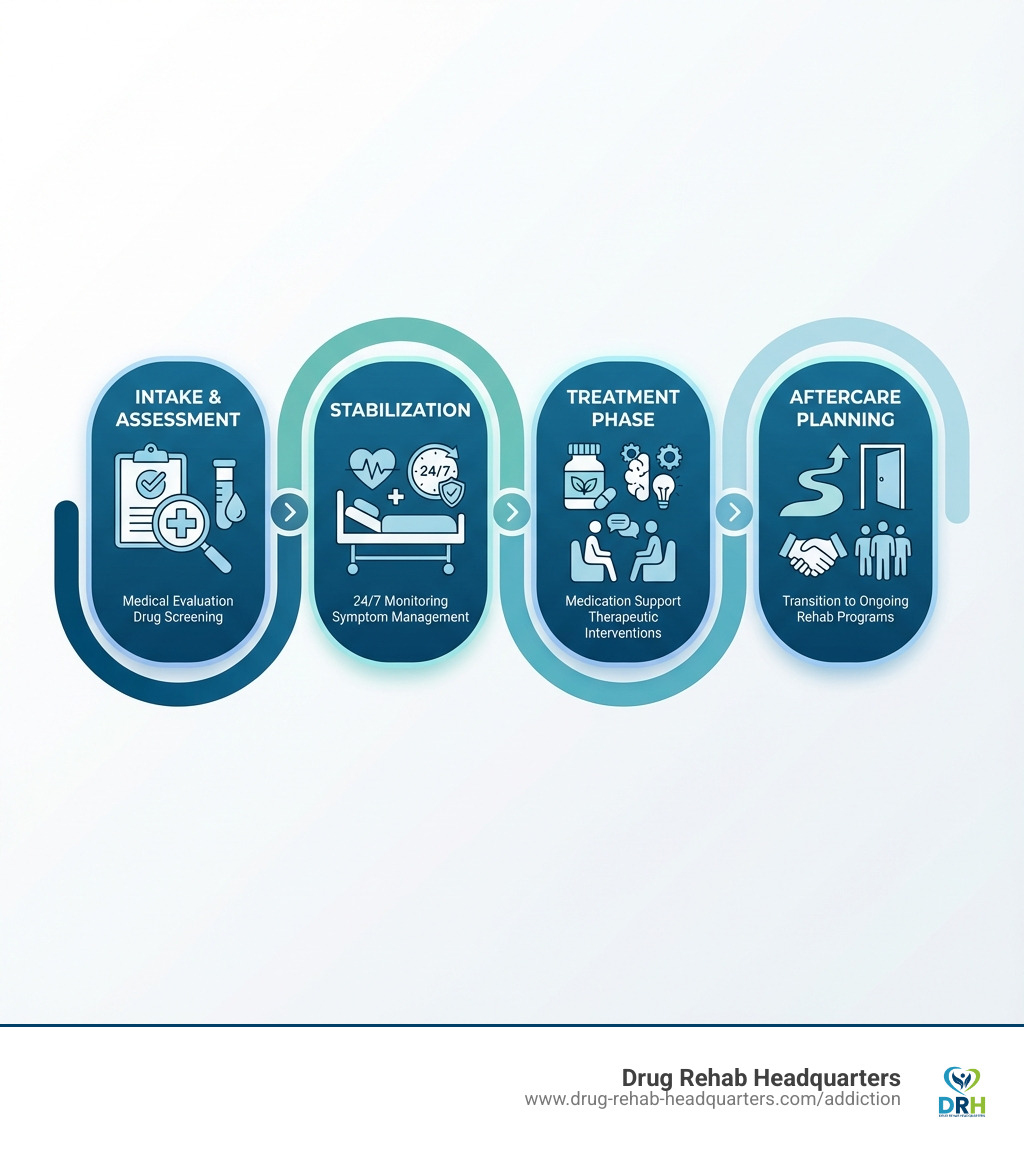
A medically supervised Ecstasy Detox is a comprehensive process designed to guide you safely through withdrawal. It typically involves several key stages:
- Intake and Assessment: Upon arrival, you’ll undergo a thorough medical and psychological evaluation. Our team will assess your physical health, mental health, history of drug use (including any co-occurring substance use), and any co-occurring mental health conditions. This information helps us create an individualized detox plan custom to your specific needs.
- Stabilization: This is the core of the detox process, where our medical team works to stabilize your physical and psychological state as the ecstasy leaves your system. This involves continuous monitoring of vital signs and symptom management.
- Symptom Management: Our medical professionals will address specific withdrawal symptoms as they arise. While there are no FDA-approved medications specifically for ecstasy withdrawal, certain medications can be prescribed to alleviate uncomfortable psychological symptoms like depression, anxiety, and insomnia. These may include antidepressants, anti-anxiety medications, or sleep aids. The goal is to make the withdrawal process as comfortable as possible.
- Therapeutic Support: Even during detox, early therapeutic support is crucial. You’ll have access to counselors and therapists who can provide emotional support, help you understand the detox process, and begin to address the psychological aspects of your addiction.
- Aftercare Planning: As detox nears completion, our team will work with you to develop a comprehensive aftercare plan. This plan outlines the next steps in your recovery journey, such as transitioning to inpatient or outpatient rehabilitation, to ensure you continue to receive the support needed for long-term sobriety.
Can I Attempt Ecstasy Detox at Home?
While the idea of detoxing in the comfort of your own home might seem appealing, attempting Ecstasy Detox without professional medical supervision is strongly discouraged and can be dangerous. The risks of at-home detox are significant:
- Lack of Medical Support: At home, you won’t have 24/7 access to medical professionals who can monitor your physical health and intervene if complications arise.
- High Relapse Potential: The intense psychological discomfort, severe cravings, and potential for depression and anxiety during withdrawal make relapse highly likely without a structured, supportive environment.
- Danger of Psychological Symptoms: Unsupervised withdrawal can lead to severe psychological distress, including intense depression, paranoia, panic attacks, and even suicidal thoughts or behaviors. These symptoms require immediate professional intervention that cannot be provided at home.
- Unpredictable Withdrawal: Because street ecstasy is often mixed with other substances, the withdrawal experience can be unpredictable and potentially more severe than anticipated.
For these reasons, a supervised detox is almost always recommended. It provides the medical oversight, emotional support, and safe environment necessary to steer Ecstasy Detox effectively and set the stage for lasting recovery.
Treatment Options After Ecstasy Detox
Detox is just the beginning of the recovery journey. Once the body is free of ecstasy and withdrawal symptoms are managed, the real work of addressing the underlying causes of addiction begins. We offer a range of comprehensive treatment options to support individuals in their long-term recovery:
- Inpatient Rehab: For many, residential inpatient rehab provides the most intensive and structured level of care. You live at the facility, engaging in daily therapy, counseling, and support groups in a completely drug-free environment. This option is ideal for those with severe dependence, co-occurring mental health issues, or an unstable home environment.
- Outpatient Programs (PHP, IOP):
- Partial Hospitalization Programs (PHP): These programs offer a high level of care, similar to inpatient, but allow you to return home in the evenings. PHPs are suitable for those who need significant support but have a stable and supportive home environment.
- Intensive Outpatient Programs (IOP): IOPs provide structured therapy and support several times a week, allowing you to maintain work, school, or family responsibilities. They offer flexibility while still providing consistent treatment.
- Behavioral Therapies: These are central to ecstasy addiction treatment:
- Cognitive Behavioral Therapy (CBT): Helps you identify and change negative thought patterns and behaviors that contribute to drug use.
- Dialectical Behavioral Therapy (DBT): Focuses on mindfulness, emotion regulation, distress tolerance, and interpersonal effectiveness to manage difficult emotions and prevent relapse.
- Dual Diagnosis Treatment: Many individuals struggling with ecstasy addiction also have co-occurring mental health conditions like depression or anxiety. Integrated dual diagnosis treatment addresses both issues simultaneously for more effective and lasting recovery.
- Holistic Therapies: We often incorporate therapies such as yoga, meditation, art therapy, and nutrition counseling to support overall well-being and help individuals develop healthy coping mechanisms.
At Drug Rehab Headquarters, we connect you with accredited treatment centers across California that specialize in Ecstasy Detox and recovery. You can find ecstasy treatment centers in California through our network, ensuring you receive the best possible care custom to your needs.
How to Support a Loved One Through Detox
Watching a loved one go through Ecstasy Detox and recovery can be incredibly challenging, but your support is invaluable. If you need guidance on how to help, call Drug Rehab Headquarters at 866-720-3784. Here’s how you can help:
- Empathy and Patience: Understand that withdrawal is a difficult and uncomfortable process, especially psychologically. Your loved one isn’t choosing to feel unwell; their brain is recalibrating. Offer empathy and be patient with mood swings and irritability.
- Educate Yourself: Learn about ecstasy addiction, withdrawal symptoms, and the recovery process. Understanding what they are experiencing will help you respond appropriately and reduce frustration.
- Encourage Professional Treatment: Gently but firmly encourage your loved one to seek and stick with professional medical detox and subsequent rehabilitation. Remind them that this is the safest and most effective path to recovery.
- Avoid Enabling Behaviors: While it’s natural to want to help, enabling can hinder recovery. This means avoiding actions that allow the person to continue using or avoid consequences, such as giving them money or making excuses for their behavior.
- Set Healthy Boundaries: Establish clear boundaries to protect your own well-being and maintain a healthy relationship. This might involve not allowing drug use in your home or disengaging from conversations when your loved one is under the influence.
- Participate in Family Therapy: Many treatment centers offer family therapy or support groups. Participating can help you understand addiction, improve communication, and heal family dynamics that may have been impacted by drug use.
- Focus on Long-Term Support: Detox is just the first step. Your loved one will need ongoing support through their entire recovery journey, including aftercare, therapy, and sober living arrangements.
Conclusion
Ecstasy Detox marks a pivotal moment in the journey to overcoming MDMA addiction. We’ve explored what ecstasy is, why detox is a necessary and critical first step, the challenging symptoms and timeline of withdrawal, and the significant dangers of both ecstasy use and unsupervised detox. We’ve also highlighted the invaluable benefits of a medically supervised Ecstasy Detox and the comprehensive treatment options available afterward.
Recovery from ecstasy addiction is not merely about clearing the drug from the body; it’s about healing the mind, rebuilding life skills, and addressing the underlying factors that contributed to drug use. It’s a testament to resilience and hope.
If you or someone you care about is ready to take this courageous first step, you don’t have to face it alone. Drug Rehab Headquarters is dedicated to connecting individuals with the accredited, compassionate care they need. Your path to a healthier, substance-free life starts here.
Call 866-720-3784 for a confidential consultation with our admissions team today. We’re available 24/7 to help you find the right Ecstasy Detox and treatment program.