

Understanding the Path to Recovery
Finding an alcohol treatment center near me is often the first step toward reclaiming your life from addiction. If you’re searching right now, here’s what you need to know:
Quick Guide to Finding Treatment:
- Call a helpline – Drug Rehab Headquarters at 866-720-3784 offers 24/7 confidential support
- Verify your insurance – Most plans cover addiction treatment (often 100%)
- Choose your care level – Inpatient (residential, 24/7 care) or Outpatient (flexible, part-time)
- Check accreditation – Look for CARF, JCAHO, or state licensing
- Ask about dual diagnosis – Treatment for addiction plus mental health conditions
In 2025, an estimated 29.5 million adults in the U.S. are living with an Alcohol Use Disorder (AUD). That is roughly 1 in 10 adults. You are not alone in this struggle.
The truth is that acknowledging you need help takes tremendous courage. Whether you’re researching for yourself or a loved one, you’ve already taken the most important step. Recovery is not only possible—it is happening every day for thousands of people across the country.
The challenge: Not all treatment centers are created equal. Programs vary widely in their approach, duration, cost, and effectiveness. Some offer medical detox, while others focus on outpatient therapy. Some specialize in dual diagnosis (treating addiction alongside depression, anxiety, or trauma), while others take a more general approach.
This guide will help you understand your options and find a treatment center that fits your specific needs. We will cover the signs that it is time to seek help, the different types of programs available, what to look for in a quality facility, and how to steer the practical details like cost and insurance.
At Drug Rehab Headquarters, we have spent years connecting individuals and families with effective addiction treatment resources across the country, with a special focus on top rehab options in Nevada cities like Las Vegas, Reno, and Henderson. Our team of addiction specialists understands what makes an alcohol treatment center near me truly effective, and we are here to help you find the right fit for your recovery journey. Call us anytime at 866-720-3784 for confidential guidance.
Simple alcohol treatment center near me glossary:
Recognizing the Need for Professional Help
Acknowledging a problem is often the hardest part, but it is also the most empowering. So, how do you know if you need professional help for alcohol addiction? Alcohol Use Disorder (AUD) is a recognized medical condition, and it is not a sign of weakness. According to the National Institute on Alcohol Abuse and Alcoholism, AUD is a brain disorder that can be mild, moderate, or severe, affecting millions of adults. In fact, national surveys for 2025 estimate that 29.5 million adults 18 and older are living with AUD. If alcohol has started to negatively impact your life or the lives of those around you, it might be time to explore professional support.
Common Signs and Symptoms of Alcohol Addiction
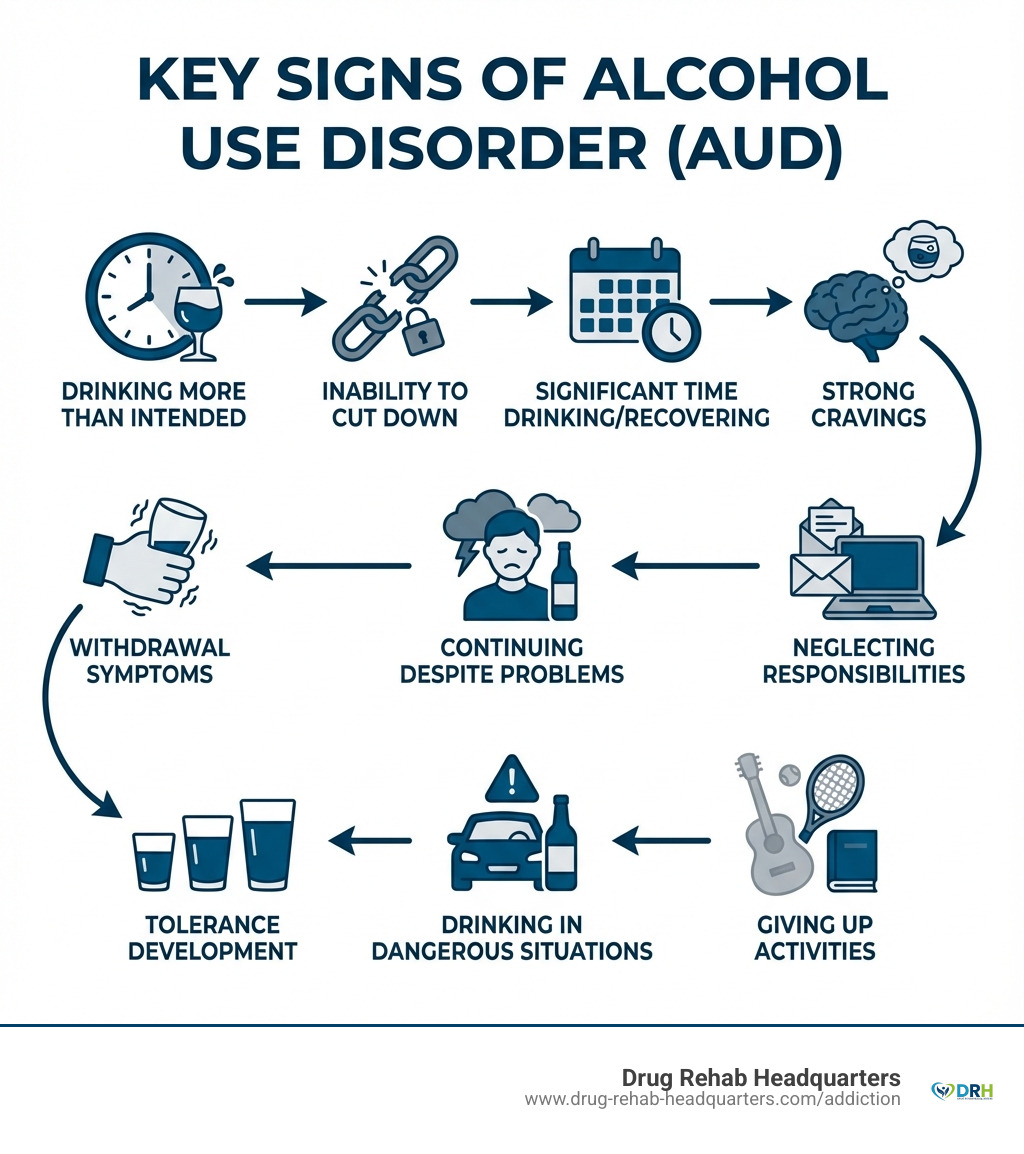
Recognizing the signs and symptoms of alcohol addiction can be challenging, especially when you’re deeply entrenched in the cycle. However, understanding these indicators can be the first step toward seeking help. Look for these common signs:
- Behavioral Changes: You might notice a shift in your priorities, where drinking becomes more important than activities you once enjoyed. Secretive drinking, defensiveness about alcohol use, or increased irritability when you cannot drink are also red flags.
- Increased Tolerance: Do you need more alcohol than you used to in order to feel the same effects? This is a clear sign your body is adapting to the presence of alcohol.
- Withdrawal Symptoms: When you stop or cut back on drinking, do you experience unpleasant physical or psychological symptoms? These can include tremors, sweating, nausea, anxiety, insomnia, or even seizures. These symptoms can be severe and dangerous, highlighting the need for medically supervised detox.
- Neglecting Responsibilities: Are work, school, or family obligations falling by the wayside because of your drinking or its after-effects?
- Relationship Problems: Alcohol use can strain relationships with family and friends, leading to arguments, mistrust, or isolation.
- Legal Issues: Have you faced arrests for drunk driving or other alcohol-related offenses?
- Failed Attempts to Quit: Have you tried to cut down or stop drinking multiple times but have not been able to maintain sobriety?
- Cravings: Do you experience intense urges or a strong need to drink?
- Continuing Despite Problems: Despite experiencing negative consequences from your drinking, do you continue to use alcohol?
Self-Assessment: Questions to Ask Yourself
Sometimes, a direct conversation with yourself is the most honest way to gauge the severity of your alcohol use. Ask yourself the following questions:
- Do you often drink more alcohol, or for a longer period, than you intended?
- Has drinking caused problems at home, work, or school?
- Do you need alcohol to relax, unwind, or feel “normal”?
- Have you experienced memory blackouts or gaps after drinking?
- Do you spend a lot of time drinking, or recovering from its effects?
- Do you experience strong urges or cravings to drink?
- Have friends or family expressed concern about your drinking?
- Have you given up or cut back on important social, occupational, or recreational activities because of your drinking?
- Have you found yourself in situations while or after drinking that increased your chances of getting hurt (for example, driving, swimming, or using machinery)?
- Do you continue to drink even though it makes you feel depressed or anxious, or adds to another health problem?
- When the effects of alcohol were wearing off, did you have withdrawal symptoms, such as trouble sleeping, shakiness, restlessness, nausea, sweating, a racing heart, or a seizure?
If you answered “yes” to even a few of these questions, it is a strong indicator that seeking professional help from an alcohol treatment center near me could be beneficial. You can call Drug Rehab Headquarters anytime at 866-720-3784 to talk through your answers and explore treatment options near you, including top-rated centers in Nevada and other states.
Understanding Your Alcohol Treatment Options
Once you have decided to seek help, it is important to know that there are many different paths to recovery. Treatment is not a one-size-fits-all solution, and finding the right program for your unique needs is key to long-term success. The Substance Abuse and Mental Health Services Administration (SAMHSA) National Helpline is a confidential, free, 24/7, 365-day-a-year treatment referral and information service available to individuals and families facing substance use disorders.
Drug Rehab Headquarters also provides free, confidential assistance in understanding these options and finding quality programs near you. Call 866-720-3784 to speak with a specialist.
Inpatient vs. Outpatient Treatment: What’s the Difference?
The primary distinction between treatment programs often lies in the level of care and the environment provided.
| Feature | Inpatient Treatment (Residential) | Outpatient Treatment |
|---|---|---|
| Level of Care | Highest level, 24/7 medical supervision and structured support. | Flexible, allowing individuals to live at home while attending scheduled sessions. |
| Environment | A live-in facility, often serene and removed from daily triggers. | Home-based, allowing continued engagement with work, school, and family. |
| Duration | Typically 30, 60, or 90 days, but can be longer depending on individual needs. | Varies greatly; can be several weeks to months, with varying intensity of sessions. |
| Cost (2025 est.) | Higher upfront cost, averaging $15,000-$30,000 for a 30-day program. | Lower cost, averaging $5,000-$10,000 for a 90-day program. |
| Ideal Candidate | Severe addiction, unstable home environment, co-occurring mental health issues, history of relapse. | Mild to moderate addiction, strong support system, stable home/work life. |
- Inpatient Rehab: This option involves living at a treatment facility for a set period, providing a highly structured and supportive environment away from everyday triggers. It includes 24/7 medical supervision, which is particularly crucial for safe alcohol detox.
- Outpatient Rehab: This offers flexibility, allowing individuals to continue living at home while attending therapy sessions and groups at a facility. It is often suitable for those with strong support systems and less severe addiction.
- Intensive Outpatient Programs (IOP): These provide a higher level of care than standard outpatient, with several hours of treatment multiple days a week.
- Partial Hospitalization Programs (PHP): Also known as Day Treatment, PHPs offer a similar intensity to inpatient care but without the overnight stay. Patients attend treatment during the day and return home in the evenings.
A specialist at Drug Rehab Headquarters can help you weigh these options, look at programs in your state or in Nevada’s major cities if you are open to traveling, and match you with a level of care that fits your situation.
Specialized Programs for Comprehensive Care
Beyond the basic inpatient/outpatient distinction, many alcohol treatment centers offer specialized programs designed to address the complex nature of addiction.
- Dual Diagnosis Treatment: It is incredibly common for individuals with alcohol addiction to also struggle with co-occurring mental health disorders like depression, anxiety, PTSD, or ADHD. This is known as dual diagnosis. Treating both the addiction and the underlying mental health condition simultaneously is crucial for lasting recovery. This integrated approach addresses the root causes of addiction, can improve recovery outcomes, and may reduce the risk of relapse.
- Evidence-Based Therapies: Reputable centers use therapies backed by scientific research. These include:
- Cognitive Behavioral Therapy (CBT): Helps individuals identify and change negative thought patterns and behaviors contributing to alcohol use.
- Dialectical Behavior Therapy (DBT): Focuses on emotional regulation, distress tolerance, and interpersonal effectiveness.
- Motivational Interviewing (MI): Helps individuals explore and resolve ambivalence about changing their drinking behavior.
- Holistic Approaches: Many centers integrate holistic therapies to promote overall well-being, addressing the mind, body, and spirit. These can include:
- Yoga and meditation to reduce stress and improve mindfulness.
- Art therapy to express emotions and promote self-findy.
- Physical fitness programs to improve physical health and mood.
- Nutritional counseling to support physical recovery.
These specialized programs ensure that treatment is customized to the individual, recognizing that each person’s journey to recovery is unique.
Explore all your alcohol rehab options with Drug Rehab Headquarters or call 866-720-3784 to have a specialist walk you through nearby programs step-by-step.
How to Find a Reputable Alcohol Treatment Center Near Me
Finding the right facility can feel overwhelming, especially when you are already dealing with the stress of addiction. But by focusing on key quality indicators, you can simplify the process and ensure you find a reputable alcohol treatment center near me.
Drug Rehab Headquarters specializes in researching, reviewing, and ranking treatment centers across the United States, with a unique focus on Nevada locations such as Las Vegas, Reno, and Henderson. You can call 866-720-3784 to get a personalized list of vetted centers near you.
What to look for in an alcohol treatment center near me
When evaluating potential treatment centers, consider these crucial aspects:
- Accreditation: This is a gold standard for quality. Look for facilities accredited by:
- The Joint Commission (JCAHO Gold Seal): An independent, non-profit organization that accredits and certifies healthcare organizations and programs in the U.S.
- CARF (Commission on Accreditation of Rehabilitation Facilities): An international, independent, non-profit accreditor of health and human services.
- State Licensing: Ensure the facility is licensed by the state it operates in. This ensures they meet minimum safety and operational standards.
- Staff Credentials: A highly qualified and compassionate team is vital. Look for centers with:
- Certified Counselors: Professionals with specialized training and certifications in addiction treatment.
- Medical Doctors and Nurses: Essential for medically supervised detox and managing co-occurring physical health issues.
- Psychologists, Psychiatrists, and Therapists: For addressing mental health disorders and providing evidence-based therapies.
- Individualized Treatment Plans: No two addictions are exactly alike, so your treatment plan should not be either. A good center will conduct a comprehensive assessment and tailor a plan to your specific needs, history, and goals.
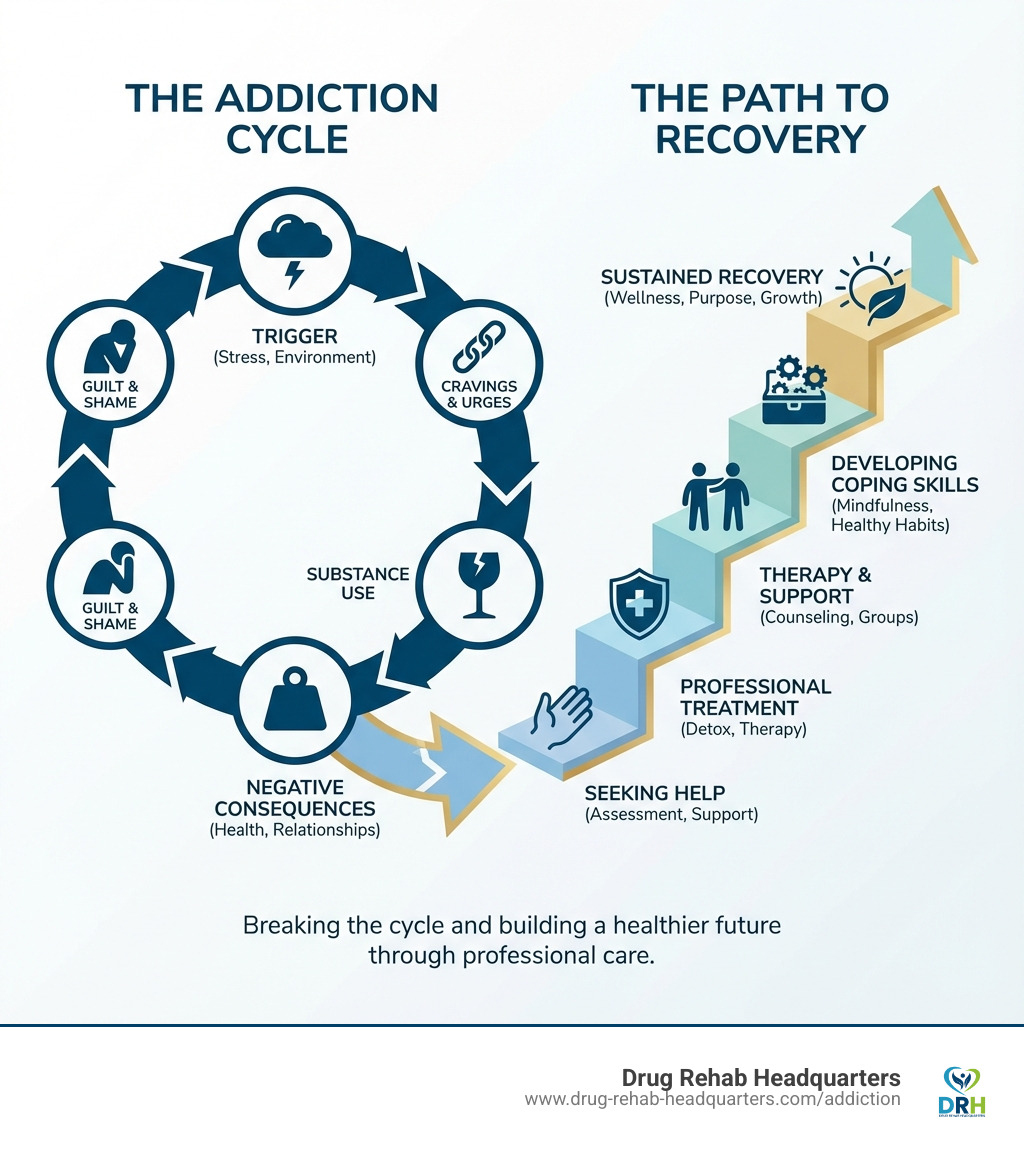
- Aftercare and Relapse Prevention Planning: Recovery is a lifelong journey, not just the duration of a program. A reputable center will help you develop a robust aftercare plan to support your sobriety long-term. This includes strategies for managing triggers, building coping skills, and connecting with ongoing support systems.

Key Questions to Ask a Potential Rehab Center
Do not be afraid to ask tough questions. This is your health, and you deserve clear, comprehensive answers.
- What is your treatment philosophy? Do you use a 12-step model, a non-12-step approach, or a blend?
- What is the patient-to-staff ratio?
- Do you offer medically supervised detox? This is critical for alcohol withdrawal, which can be dangerous without medical oversight.
- What types of therapy are used? (for example, CBT, DBT, group therapy, individual counseling, holistic therapies)
- How is family involved in treatment? Do you offer family programs or education workshops?
- What does a typical day look like?
- What are your policies on cell phone and internet use?
- What are the rules regarding visitors and outside contact?
- What happens if I experience a medical emergency while in treatment?
- What kind of aftercare planning is included, and what resources are available post-discharge?
If you want help preparing these questions or evaluating the answers you receive, you can contact Drug Rehab Headquarters at 866-720-3784 for unbiased support.
Navigating the Logistics of Alcohol Rehab
Once you have identified potential centers, understanding the practical aspects of treatment—such as duration, cost, and what happens after you leave—is essential for planning your recovery journey.
How Long Does Treatment Last?
The duration of alcohol addiction treatment varies greatly depending on the individual’s needs, the severity of their addiction, and the type of program.
- 30-day programs: Often a starting point, particularly for inpatient care, providing initial stabilization and foundational recovery skills.
- 60-day programs: Offer a more extended period for deeper therapeutic work and skill-building.
- 90-day programs: Considered highly effective for long-term sobriety. Research shows that longer engagement in treatment is associated with better outcomes, as it allows more time to address underlying issues and solidify coping mechanisms.
- Long-term options: Some individuals may benefit from even longer residential stays or a transition to sober living homes, followed by extended outpatient care.
The key is an individualized needs assessment to determine the most appropriate length of stay for you. A specialist at Drug Rehab Headquarters can help you compare program lengths and structures in your area and in Nevada if you are considering a change of environment.
Understanding the Costs and Payment Options
The cost of alcohol addiction treatment can be a significant concern, but many options exist to make it accessible.
- Average Inpatient Cost: In 2025, the average cost of inpatient addiction treatment can range from $15,000 to $30,000 for a 30-day program.
- Average Outpatient Cost: In 2025, the average cost of outpatient addiction treatment can range from $5,000 to $10,000 for a 90-day program.
- Insurance Coverage Verification: Most health insurance plans, both private and through the Affordable Care Act, provide some level of coverage for addiction treatment. Many centers accept major insurance carriers and can help you verify your benefits.
- Private Pay Options: If insurance coverage is limited or you prefer privacy, centers often offer private pay options.
- Financing and Sliding Scales: Some facilities provide financing plans, payment schedules, or sliding scale fees based on income.
- State-Funded Programs: Many states offer publicly funded treatment programs for individuals who meet specific criteria, often based on income or lack of insurance.
Do not let cost deter you from seeking help. Drug Rehab Headquarters can assist you in understanding your insurance, estimating out-of-pocket expenses, and locating more affordable options, including in Nevada’s major cities if that is convenient. Call 866-720-3784 to discuss your options.
Life After Rehab: The Importance of Aftercare Support
Completing an alcohol treatment program is a monumental achievement, but it is just the beginning of a lifelong journey of recovery. Effective aftercare planning is crucial for preventing relapse and maintaining sobriety.
- Sober Living Homes: These residences provide a supportive, alcohol- and drug-free environment for individuals transitioning from inpatient care back into independent living.
- Alumni Programs: Many treatment centers offer alumni programs that connect former patients, providing a network of peer support and ongoing engagement with the recovery community.
- Ongoing Therapy: Continuing individual or group therapy sessions can help reinforce coping skills, address new challenges, and provide ongoing emotional support.
- Support Groups: Organizations like Alcoholics Anonymous (AA) and other mutual-help groups provide free, accessible, and anonymous peer support meetings worldwide.
- Relapse Prevention Strategies: Learning to identify triggers, develop healthy coping mechanisms, and create a strong support network are key components of a comprehensive relapse prevention plan.
The transition from a structured treatment environment back to daily life can be challenging. A robust aftercare plan provides the scaffolding needed to build a fulfilling, sober life. Drug Rehab Headquarters can help you identify centers that prioritize aftercare and connect you with local resources. For guidance on planning life after rehab, call 866-720-3784.
[Need support? Call Drug Rehab Headquarters at 866-720-3784]
Frequently Asked Questions about Finding an Alcohol Treatment Center
We understand you have many questions when searching for an alcohol treatment center near me. Here are some common inquiries we address:
What are the benefits of seeking treatment at a specialized alcohol rehab center?
Seeking treatment at a specialized alcohol treatment center near me offers several distinct advantages:
- Focused Expertise: These centers specialize in alcohol addiction, meaning their staff, programs, and resources are dedicated to helping individuals overcome AUD.
- Peer Support: You will be surrounded by others who understand your struggles, fostering a powerful sense of community and shared purpose.
- Alcohol-Specific Therapies: Treatment modalities are custom to address the unique psychological and physiological aspects of alcohol dependence.
- Reduced Triggers: A dedicated facility provides an environment free from many of the temptations and stressors that might fuel drinking in your daily life.
- Understanding of Alcohol Withdrawal: Alcohol withdrawal can be dangerous. Specialized centers offer medically supervised detox to help keep you as safe and comfortable as possible during this critical phase.
- Customized Medical Care: Medical staff are experienced in managing alcohol-related health issues and co-occurring conditions.
Drug Rehab Headquarters can help you identify centers with these features near you or in Nevada cities like Las Vegas, Reno, and Henderson if you are open to traveling for care. Call 866-720-3784 for a personalized list.
What is dual diagnosis treatment and why is it important for alcohol addiction?
Dual diagnosis treatment, also known as integrated treatment, is when a person receives care for both a substance use disorder (like alcohol addiction) and a co-occurring mental health condition (such as depression, anxiety, or PTSD) at the same time. This approach is critically important because:
- Addresses Root Causes: Often, mental health issues contribute to or are exacerbated by alcohol use, as individuals may use alcohol to self-medicate uncomfortable symptoms. Treating both simultaneously addresses the underlying reasons for addiction.
- Improves Recovery Outcomes: Research consistently shows that individuals who receive integrated treatment for dual diagnosis tend to have better long-term recovery outcomes and reduced rates of relapse.
- Reduces Relapse Risk: By managing mental health symptoms effectively, the urge to use alcohol as a coping mechanism decreases, making sustained sobriety more achievable.
- Holistic Healing: It recognizes that a person’s mental and physical health are interconnected, promoting comprehensive healing and well-being.
When you call Drug Rehab Headquarters at 866-720-3784, a specialist can help you find programs that explicitly offer dual diagnosis treatment.
How can I find affordable alcohol treatment options near me?
Affordability is a common concern, but financial barriers should not prevent anyone from accessing life-saving treatment. To find affordable alcohol treatment options:
- Contact Drug Rehab Headquarters: Our specialists are experts in navigating the complexities of addiction treatment costs. We can provide guidance on understanding your insurance coverage, exploring available payment plans, and identifying state-funded programs in your area. Many centers work with various insurance providers, and we can help you verify your benefits.
- Explore State and Federal Programs: Many states, including Alabama, Alaska, Arizona, Arkansas, California, Colorado, Connecticut, Delaware, Florida, Georgia, Hawaii, Idaho, Illinois, Indiana, Iowa, Kansas, Kentucky, Louisiana, Maine, Maryland, Massachusetts, Michigan, Minnesota, Mississippi, Missouri, Montana, Nebraska, Nevada, New Hampshire, New Jersey, New Mexico, New York, North Carolina, North Dakota, Ohio, Oklahoma, Oregon, Pennsylvania, Rhode Island, South Carolina, South Dakota, Tennessee, Texas, Utah, Vermont, Virginia, Washington, West Virginia, Wisconsin, and Wyoming, offer publicly funded programs or resources for individuals who qualify.
- Non-Profit Organizations: Some non-profit organizations offer free or low-cost treatment options, or financial assistance.
- Payment Plans and Sliding Scales: Do not hesitate to ask treatment centers if they offer payment plans or a sliding scale fee based on your income.
We are here to help you explore programs that fit your needs and budget, because everyone deserves a chance at recovery. Call Drug Rehab Headquarters at 866-720-3784 for personalized support.
Your Path to Recovery Starts Now
Taking the first step is the most important part of the journey. Millions of people have successfully recovered from alcohol addiction, and you can too. By understanding your options and knowing what to look for, you can find the ideal alcohol treatment center near me to support your new life.
Recovery is not a destination, but a continuous process of growth and healing. You do not have to walk this path alone. Drug Rehab Headquarters provides confidential assistance and focuses on connecting you with quality treatment centers nationwide, including top-ranked facilities in Nevada cities like Las Vegas, Reno, and Henderson, as well as major cities across every state.
Our specialists are available 24/7 to guide you through your options, verify insurance, and answer your questions about cost, level of care, and location. Call 866-720-3784 to start your journey today. Your next chapter can begin with one phone call.