

Understanding the Overwhelming Feeling of Losing Control
Im losing my mind is a thought that crosses many people’s minds when stress, anxiety, or overwhelming emotions become too much to handle. This feeling is far more common than you might think—and it doesn’t mean you’re actually going insane.
If you’re experiencing this right now, here’s what you need to know:
- It’s usually a stress response, not a mental breakdown
- Common symptoms include racing thoughts, brain fog, anxiety, and feeling detached from reality
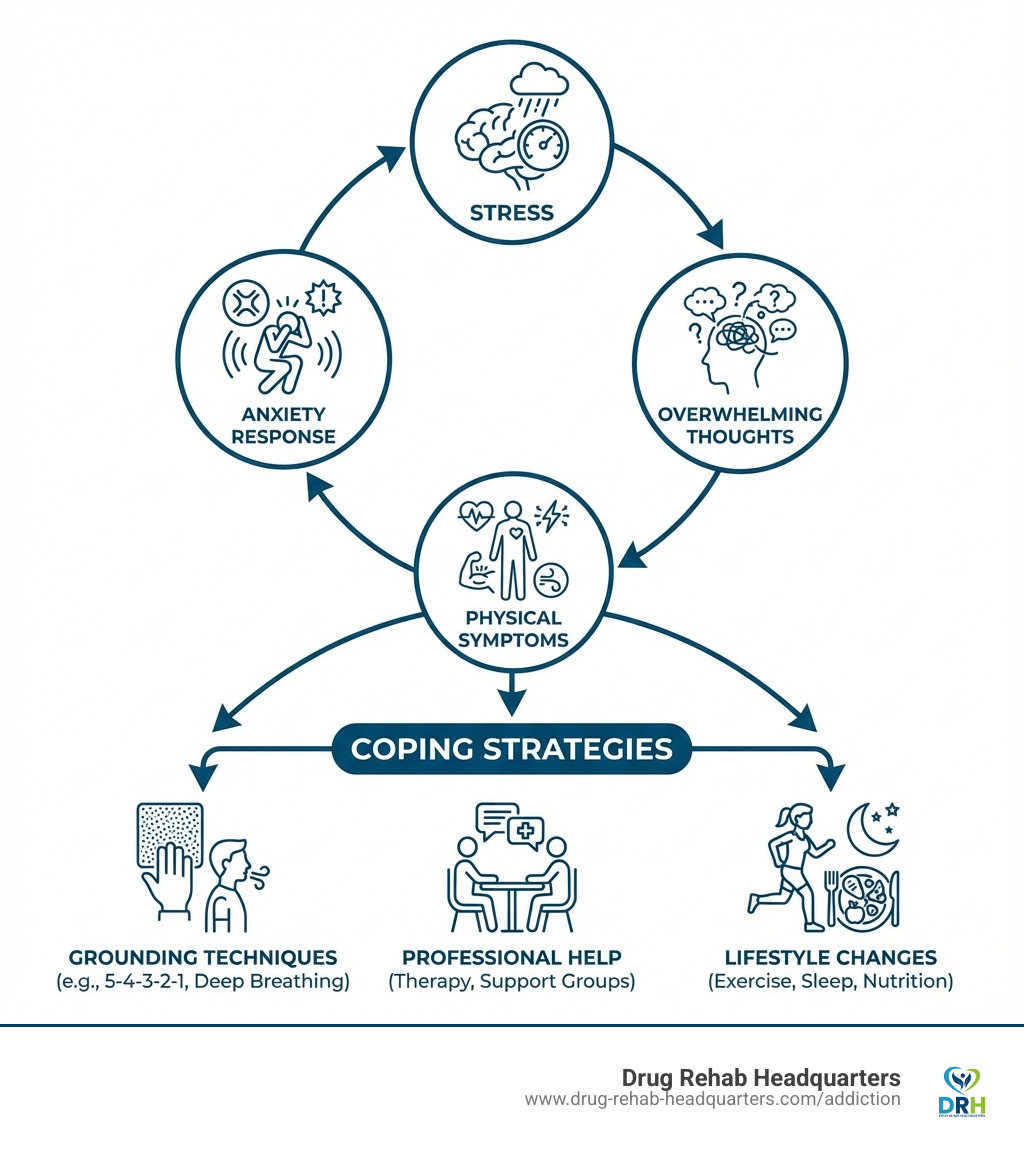
- Immediate help includes grounding techniques like the 5-4-3-2-1 method and deep breathing
- Professional support is available and effective, especially when symptoms persist or worsen
- Call 911 or go to an ER if you have thoughts of self-harm or severe disorientation
According to 2025 CDC data, over 70% of Americans report experiencing dissociation or similar overwhelming mental symptoms at least once in their lives. The feeling of losing your mind can stem from chronic stress, anxiety disorders, depression, trauma, sleep deprivation, hormonal changes, or substance use and withdrawal. While frightening, this sensation is typically temporary and manageable with the right support and strategies.
At Drug Rehab Headquarters, we’ve supported thousands of individuals and families facing not only substance use challenges but also the mental health struggles that often accompany addiction—including the terrifying feeling that im losing my mind can bring. Our experienced team understands that addiction and mental health are deeply connected, and we’re here to provide compassionate, confidential support 24/7 at 866-720-3784.
This guide will walk you through understanding what’s happening, why it’s happening, and most importantly—what you can do right now to regain control and find lasting peace of mind.
What Does It Mean When You Feel Like You’re Losing Your Mind?
When you say, “I feel like im losing my mind,” you’re not referring to a literal descent into madness. This common expression captures a profound sense of mental or emotional overwhelm, a sign that your mind and body are struggling to cope with intense pressure or anxiety.
The sensation often manifests through unsettling symptoms. You might experience racing thoughts that make it impossible to focus, persistent brain fog that clouds your thinking, and frustrating memory lapses. Distressing intrusive thoughts—unwanted ideas or images—can make you question your sanity. Overwhelming anxiety may lead to a constant sense of dread, while irritability and mood swings can feel beyond your control.
Chronic fatigue is common, even after a full night’s sleep, as your mind and body are on high alert. Sleep disturbances like insomnia often make things worse. Some people report derealization (feeling that your surroundings aren’t real) or depersonalization (a sense of detachment from yourself). These dissociative experiences are unsettling but common; research indicates that up to 75% of people have experienced dissociation at some point.
If you’re experiencing these symptoms, you’re not alone. This feeling is a signal from your mind that it needs attention and care.

Why Am I Losing My Mind? Uncovering the Underlying Causes
The feeling of “losing your mind” doesn’t emerge from nowhere. It’s often a complex interplay of psychological, emotional, and even physical factors. Understanding these underlying causes is the first step toward regaining control.
At its core, this sensation can be a manifestation of your body’s fight-or-flight response working overtime. When faced with perceived threats, your system floods with stress hormones. If this state of heightened alert becomes chronic, it can lead to exhaustion, mental fog, and the feeling that your thoughts are spiraling.
Chronic stress is a major contributor. According to 2025 CDC and NIMH data, prolonged stress significantly impacts our cognitive functions and emotional regulation, making us more vulnerable to feeling overwhelmed.
Beyond stress, several specific mental health conditions, physical factors, and lifestyle choices can trigger or exacerbate the feeling that you’re losing your grip.
Common Mental Health Conditions
Many treatable mental health conditions can make you feel like im losing my mind. Identifying them is crucial for effective intervention.
- Anxiety & Panic Attacks: These are common culprits. During an attack, your body’s alarm system goes haywire, causing racing thoughts, a pounding heart, and a sense of impending doom. This intense fear can cause derealization or depersonalization, fueling the “losing your mind” sensation.
- Depression: Beyond sadness, depression causes severe cognitive symptoms. Chronic fatigue, poor concentration, memory issues, and hopelessness can make you feel like your mind is failing.
- Trauma & PTSD: Post-Traumatic Stress Disorder (PTSD) can cause disorienting flashbacks, nightmares, severe anxiety, and dissociation, creating a terrifying sense of losing touch with reality.
- Obsessive-Compulsive Disorder (OCD): People with OCD experience intrusive, unwanted thoughts. The constant battle against these thoughts and compulsive behaviors is exhausting and can make them fear for their sanity.
- Bipolar Disorder: This condition involves extreme mood swings. Manic episodes can bring racing thoughts and impulsivity, while depressive episodes cause cognitive difficulties, both leading to a feeling of being out of control.
- Resentment and Bitterness: While not a clinical diagnosis, unresolved resentment and bitterness can cause intrusive thoughts. This internal conflict can feel like a mental battle, and overcoming it often requires forgiveness and letting go.
At Drug Rehab Headquarters, we understand the intricate connection between mental health conditions like depression and bipolar disorder, and the potential for co-occurring substance use. We offer integrated treatment approaches designed to address both challenges simultaneously. If you’re struggling with these feelings, please know that confidential help is just a phone call away. Call 866-720-3784 for support.
Physical and Lifestyle Factors
Sometimes, the feeling of “losing your mind” has roots in your physical health and daily habits.
- Sleep Deprivation: Chronic lack of sleep is a major factor. It disrupts cognitive processes, leading to brain fog, poor concentration, irritability, and mood swings. Your brain needs rest to function properly.
- Hormonal Changes: Hormonal fluctuations from conditions like thyroid disorders, perimenopause, or menopause can cause mood swings, anxiety, and cognitive issues that feel like a loss of mental clarity.
- Medical Conditions: Some medical conditions, like vitamin B12 deficiency, Lyme disease, or neurological disorders, can cause psychological symptoms. It’s important to rule out physical causes with a doctor.
- Substance Use & Withdrawal: Substance use alters brain chemistry, causing paranoia, anxiety, and psychosis-like symptoms. Withdrawal from substances like alcohol or opioids is often more distressing and dangerous, with symptoms like severe anxiety, hallucinations, and delirium making one feel they are losing their mind.
Drug Rehab Headquarters offers comprehensive support for individuals struggling with substance use, including alcohol addiction, prescription drug detox, and dual diagnosis treatment for co-occurring mental health conditions. We have facilities across the country, including those in California, Alaska, Arkansas, Delaware, Florida, Georgia, Hawaii, Idaho, Kentucky, Louisiana, Maine, Massachusetts, Mississippi, Montana, Nebraska, Nevada, New Hampshire, New Jersey, New Mexico, New York, North Carolina, North Dakota, Ohio, Oklahoma, Oregon, Pennsylvania, Rhode Island, South Carolina, South Dakota, Tennessee, Texas, Utah, Vermont, Virginia, Washington, West Virginia, Wisconsin, and Wyoming, ready to provide the care you need.
Find help for alcohol addiction
Get support for prescription drug detox
Explore dual diagnosis treatment options
How to Regain Control: Immediate Grounding Techniques
When the feeling of “losing your mind” strikes, it can be terrifying. The good news is that there are actionable strategies you can use right now to find relief and calm your nervous system. These grounding techniques are designed to bring you back to the present moment.

The 5-4-3-2-1 Grounding Method
This simple yet powerful technique is highly effective for managing anxiety. It works by engaging your five senses to pull your focus away from internal distress and into your immediate environment.
Here’s how to do it:
- 5: See: Identify five distinct objects around you. Notice their colors and shapes.
- 4: Touch: Focus on four things you can feel, like the fabric of your shirt or your feet on the floor.
- 3: Hear: Listen for three sounds, such as a computer humming or birds chirping.
- 2: Smell: Notice two scents. If you can’t, think of two smells you like.
- 1: Taste: Identify one thing you can taste. If nothing, think of a taste you enjoy.
This method is well-supported by therapeutic practices, and ongoing scientific research, including studies referenced by 2025 NIMH data, continues to validate its effectiveness in managing anxiety.
Breathing and Mindfulness Exercises
Conscious breathing is a fundamental tool for calming your nervous system. When we’re anxious, our breath becomes shallow; deep breathing reverses this.
- Deep Breathing: Inhale slowly through your nose, hold for a few seconds, and then exhale slowly through your mouth. Focus on the sensation of your breath.
- Box Breathing: Inhale for a count of 4, hold for 4, exhale for 4, and hold for 4. Repeat this cycle.
- Diaphragmatic Breathing: Also known as belly breathing, this involves using your diaphragm for deeper, more calming breaths.
Beyond breathing, simple mindfulness exercises can help:
- Observing Thoughts: Instead of fighting overwhelming thoughts, observe them without judgment, like clouds passing by. This reduces their power.
- Simple Physical Anchors: Use a strong physical sensation to ground yourself. Try holding an ice cube until it melts or splashing cold water on your face to interrupt a cycle of overwhelming thoughts.
Building Resilience: Long-Term Strategies for Mental Well-being
While immediate grounding techniques are crucial, building true resilience requires sustainable, long-term strategies. These proactive mental health care practices and lifestyle adjustments strengthen your mind and body, making you less susceptible to overwhelm.
Managing Your Thoughts and Emotions
Learning to manage your internal landscape is key to long-term mental well-being.
- Challenging Negative Thoughts: Negative thoughts can spiral when you’re overwhelmed. Cognitive Behavioral Therapy (CBT) teaches you to identify and challenge these unhelpful patterns. Ask yourself: “Is this thought accurate? Is there another way to see this?” This process can reduce the intensity of distressing thoughts.
- Journaling for Clarity: Writing down your thoughts and feelings is therapeutic. It helps you process emotions, identify triggers, and gain perspective on your distress.
- Emotional Processing: Acknowledge and feel your emotions without judgment, allowing them to pass rather than suppressing them.
- Connecting with Trusted Friends: A strong support system is vital. Talking about your fears with a trusted friend or family member can provide immense relief and remind you that you’re not alone.
Drug Rehab Headquarters understands the importance of a robust support system and offers various therapy options and support groups. We’re here to help you build healthier coping mechanisms. Call 866-720-3784 for confidential help.
Lifestyle Adjustments for a Healthier Mind
Your physical and mental health are inextricably linked. Making conscious lifestyle choices can dramatically improve your resilience.
- Physical Activity: Regular exercise is a powerful antidote to stress and anxiety. Even a short walk can help. It releases endorphins, reduces symptoms of depression and anxiety, and improves sleep.
- Healthy Diet: A balanced diet rich in fruits, vegetables, whole grains, and lean proteins supports optimal brain function and helps regulate mood and energy.
- Sleep Hygiene: Prioritizing sleep is non-negotiable. Aim for 7-9 hours of quality sleep per night by establishing a consistent schedule and a relaxing bedtime routine.
- Limiting Stimulants: Excessive caffeine can worsen anxiety and disrupt sleep. Similarly, alcohol is a depressant that can worsen mood and disrupt sleep in the long run. If you’re struggling with alcohol use, our resources can help.
When to Seek Professional Help for “I’m Losing My Mind”
Feeling like im losing my mind is often a signal that professional guidance could be beneficial. While self-help strategies are powerful, there are times when expert intervention is necessary. Knowing when to reach out is a critical step in your mental health journey.
Drug Rehab Headquarters offers confidential assessments to help you understand your symptoms and determine the most appropriate course of action. Call 866-720-3784 today.
Signs You Need Immediate Help
Some symptoms indicate a need for immediate professional intervention. If you or someone you know experiences any of the following, seek emergency care:
- Thoughts of self-harm or suicide
- Thoughts of harming others
- Hallucinations (seeing or hearing things that aren’t there)
- Delusions (believing things that are not real)
- Severe disorientation or confusion
- Inability to perform basic daily tasks like eating or personal hygiene
In life-threatening situations, call 911 or go to the nearest emergency room. For suicidal or emotional distress, you can also use the 988 Suicide & Crisis Lifeline by calling or texting 988. Veterans can connect with the Veterans Crisis Line by calling 988 then pressing ‘1’ or texting 838255.
Drug Rehab Headquarters can provide urgent support and guidance. Call 866-720-3784 for immediate assistance.
Differentiating Stress from a Serious Condition
One of the biggest concerns is whether it’s “just” stress or something more serious. The key differentiators are severity, duration, and impact on functioning.
- Severity and Duration: While everyday stress subsides, intense symptoms that persist for weeks or months despite self-care are a red flag.
- Impact on Functioning: If your feelings significantly interfere with your job, relationships, or daily life, it’s time to seek professional help.
- Psychosis: Symptoms like hallucinations and delusions indicate psychosis, a severe mental health condition (like schizophrenia) that is not caused by “just” stress and requires professional treatment.
- Self-awareness as an Indicator: Worrying that you are “losing your mind” is often a sign you are not in psychosis, as those experiencing it typically lack this insight. However, this self-awareness doesn’t mean you don’t need help.
A professional diagnosis is essential. A professional can differentiate between stress, anxiety, and more severe conditions. Drug Rehab Headquarters can help you understand your symptoms and connect you with resources. Call 866-720-3784 for a confidential conversation.
How Professional Treatment Can Help When I’m Losing My Mind
Professional treatment offers a structured, evidence-based path to regaining control.
- Therapy: Therapies like Cognitive Behavioral Therapy (CBT) help change negative thought patterns, while Dialectical Behavior Therapy (DBT) focuses on emotional regulation. EMDR is effective for trauma.
- Medication Management: A psychiatrist can prescribe medications like antidepressants or mood stabilizers to help rebalance brain chemistry and manage symptoms.
- Dual Diagnosis Treatment: When substance use and mental health issues co-occur, integrated dual diagnosis treatment is vital. It addresses both simultaneously to prevent relapse.
We believe in a holistic approach to recovery. Our comprehensive behavioral health programs are designed to support you through every step of your journey. Call 866-720-3784 for help and to learn more about our services.
Find comprehensive behavioral health programs
Frequently Asked Questions about Feeling Like You’re Losing Your Mind
We understand that you might have more questions about this unsettling experience. Here are some common inquiries we encounter:
Why do I feel like I’m losing my mind when I have anxiety?
Anxiety often triggers your body’s fight-or-flight response, even when there’s no immediate physical threat. This surge of adrenaline and cortisol can lead to racing thoughts, a pounding heart, and a pervasive feeling of being out of control. Your mind might feel like it’s spinning, leading to derealization (feeling that things around you aren’t real) or depersonalization (feeling detached from yourself). These intense physical and mental sensations are terrifying symptoms of anxiety, not psychosis. The good news is they are manageable with the right tools and support.
Can you actually lose your mind from stress?
While chronic stress can have a severe impact on your mental health, leading to conditions like severe anxiety or depression, it doesn’t typically cause you to literally “lose your mind” in the sense of developing psychosis. Instead, it causes a profound feeling of lost control, mental exhaustion, and cognitive difficulties. As 2025 CDC data highlights, prolonged stress impairs clear thinking and emotional regulation. This feeling of being overwhelmed is a signal that your coping mechanisms are overloaded and you need to prioritize your mental well-being.
What is the first step to take if I feel like I’m losing my mind?
The very first step is to pause and try a grounding technique. Deep breathing exercises or the 5-4-3-2-1 method can help calm your nervous system and bring you back to the present moment. After finding some calm, talk to someone you trust—a friend, family member, or mental health professional. Sharing your feelings can reduce their intensity and provide immediate support. If your feelings involve thoughts of self-harm, harming others, or severe disorientation, please remember that immediate help is available. In a crisis, call 911. For confidential support, Drug Rehab Headquarters is available 24/7 at 866-720-3784.
Conclusion
The feeling of im losing my mind can be one of the most frightening and isolating experiences. However, as we’ve explored, it’s a common human response to overwhelming stress, anxiety, and other mental health challenges, rather than a literal descent into insanity. This feeling is a powerful signal from your mind and body, urging you to prioritize your mental well-being.
Remember these key takeaways:
- You are not alone: Many people experience these feelings, and there is no shame in seeking help.
- It’s often a stress response: While intense, these feelings are frequently a sign of mental distress that can be managed.
- Actionable steps provide relief: Grounding techniques and mindful breathing can offer immediate calm.
- Long-term strategies build resilience: Managing thoughts, adopting healthy lifestyle habits, and building a support system are crucial for lasting well-being.
- Professional help is effective and available: Don’t hesitate to reach out for therapy, medication, or dual diagnosis treatment if symptoms persist or become severe.
Your mental health is just as important as your physical health, and taking steps to address these overwhelming feelings is a sign of strength. We are here to remind you that you don’t have to steer this journey alone.
If you or a loved one is struggling with the feeling of “losing your mind,” especially if it’s connected to substance use or other mental health conditions, Drug Rehab Headquarters is here to help. Call our confidential helpline at 866-720-3784 to speak with a compassionate specialist who can guide you toward the support and treatment you deserve.