

Finding Your Path to Recovery
Drug treatment centers offer specialized care for substance use disorders, with support ranging from medical detox to outpatient counseling. Here’s what you need to know:
Types of Drug Treatment Centers:
- Inpatient/Residential Centers – 24/7 care in a structured environment
- Outpatient Programs – Flexible treatment while maintaining daily responsibilities
- Detox Centers – Medical supervision during withdrawal
- Dual Diagnosis Centers – Treatment for addiction and mental health conditions
- MAT Clinics – Medication-assisted treatment for opioid and alcohol use disorders
- Specialized Programs – Care custom for veterans, adolescents, women, and other populations
- Holistic/Work-Therapy Centers – Comprehensive approach addressing mind, body, and spirit
Millions of Americans face substance use and mental health disorders, often together. The good news is that evidence-based treatment is effective, and recovery is achievable.
Understanding your options is the first step. Centers vary in approach, cost, and intensity, from 24/7 residential care to flexible outpatient programs that fit your daily life.
At Drug Rehab Headquarters, we’ve helped thousands of individuals and families steer the complex landscape of addiction treatment. Call us 24/7 at 866-720-3784 for a free, confidential consultation.
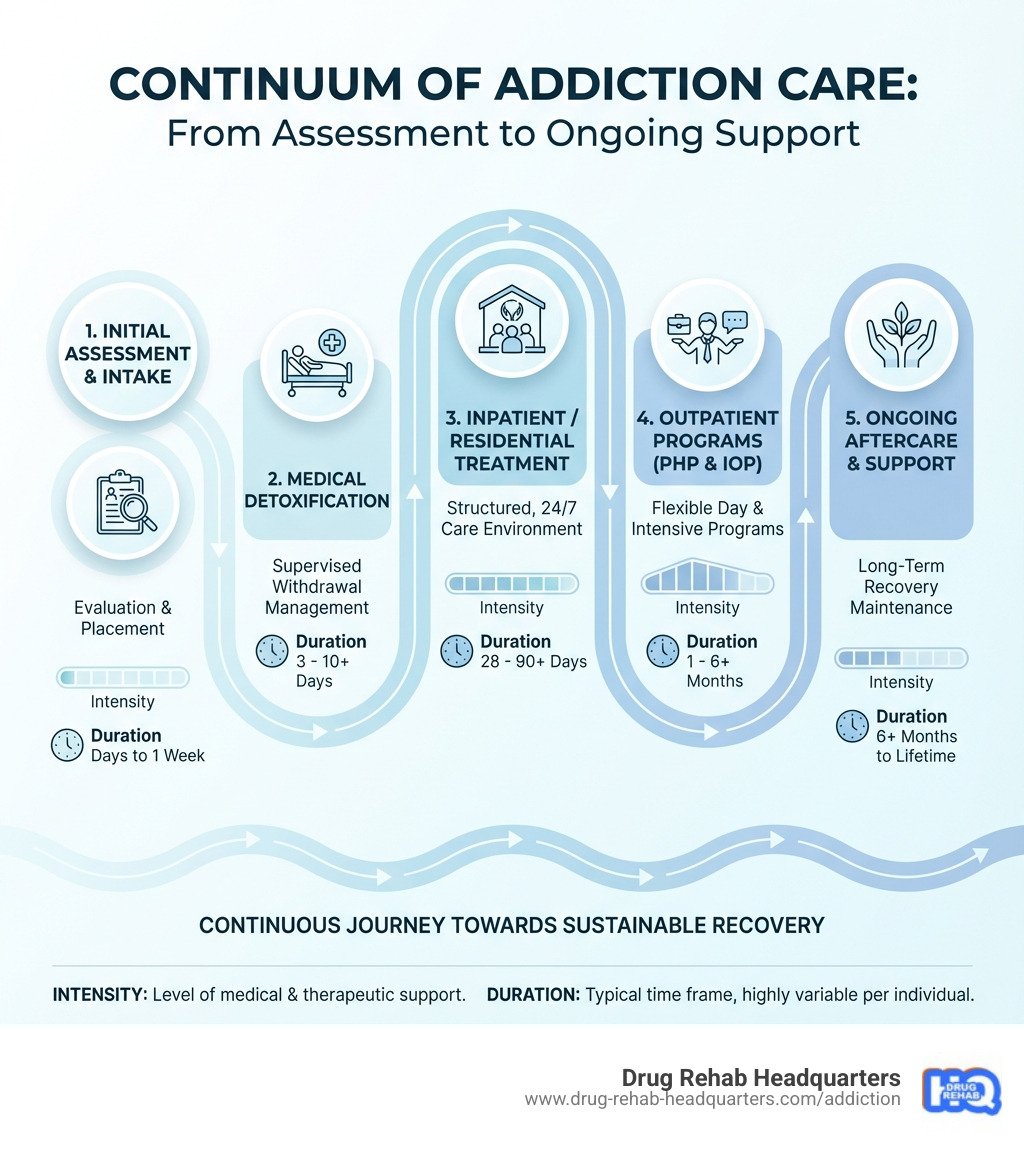
Understanding the Different Levels of Care
Choosing the right drug treatment center means understanding the different levels of care. Treatment isn’t one-size-fits-all; programs are designed to meet varying needs, from intensive supervision to flexible support. Selecting the right level is a critical first step.
Here’s a breakdown of the primary treatment programs:
-
Inpatient Treatment: The most intensive level, providing 24/7 residential care in a structured, trigger-free environment. It includes medical supervision and various therapies, making it ideal for severe substance use disorders or co-occurring conditions.
-
Residential Care: Similar to inpatient, this involves living at the facility but may have less medical intensity. The focus is often on therapeutic communities and life skills, with stays typically lasting 30 days or more.
-
Outpatient Programs: These programs allow you to live at home while attending scheduled therapy sessions. They offer flexibility for those with less severe addictions or who need to maintain work or school responsibilities.
-
Intensive Outpatient Programs (IOP): A step up from standard outpatient care, IOPs offer more structured therapy for several hours a day, multiple days a week. It’s a good transition from inpatient care or for those needing significant support without 24/7 supervision.
-
Partial Hospitalization Programs (PHP): Also known as “day treatment,” PHPs provide a full day of treatment (5-7 days a week) while you return home at night. This offers intensity comparable to inpatient care but with more autonomy.
For less severe disorders, Why Subacute Rehab Is Effective for Less Severe Disorders can be a great option, providing structured support without acute medical intervention.
Choosing the right level of care depends on the severity of the disorder, mental health needs, and your support system. Call Drug Rehab Headquarters at 866-720-3784 to discuss which level of care is right for you.
| Feature | Inpatient Treatment | Outpatient Treatment |
|---|---|---|
| Structure | Highly structured, 24/7 supervision | Flexible, allows for daily responsibilities |
| Intensity | High medical and therapeutic intensity | Varies from low to moderate intensity (IOP/PHP) |
| Cost | Generally higher due to accommodation and constant care | Generally lower, no living expenses included |
| Environment | Residential, removed from triggers | Home-based, requires strong self-management |
| Ideal Candidate | Severe addiction, co-occurring disorders, unstable home | Mild to moderate addiction, stable home, responsibilities |
7 Proven Models of Drug Treatment Centers
Addiction treatment is diverse. Here are seven proven models of drug treatment centers offering specialized care.
1. Inpatient/Residential Treatment Centers
Inpatient drug treatment centers provide a sanctuary for those with severe substance use disorders. These programs offer:
- 24/7 Medical Supervision: Constant medical oversight to safely manage withdrawal symptoms.
- Structured Environment: A daily schedule of therapy and activities helps build healthy new routines.
- Immersive Therapy: Full engagement in counseling without outside distractions to address the root causes of addiction.
- Peer Support: Living with others on the same journey fosters a strong, supportive community.
- Safe from Triggers: A substance-free environment away from people and places that could trigger a relapse.
This immersive setting provides a strong foundation for sobriety. Our resources on Inpatient Drug Rehab in Texas highlight these structured programs.
Contact Drug Rehab Headquarters at 866-720-3784 to find the best inpatient options for your needs.
2. Dual Diagnosis Drug Treatment Centers
Dual diagnosis occurs when a substance use disorder co-exists with a mental health condition like depression or anxiety. Since about half of people with a substance use disorder also have a serious mental illness, these centers treat both simultaneously.

Key components include:
- Integrated Treatment: A collaborative team of mental health and addiction specialists addresses how the conditions influence each other.
- Mental Health Services: Patients receive targeted therapies like CBT and DBT, along with medication management.
- Addiction Therapy: Individuals engage in evidence-based therapies to develop coping skills and prevent relapse.
Addressing mental health is crucial for sustained recovery, as detailed in Why Mental Health Treatment Centers Are in High Demand. Sometimes, as noted in When Treatment for Depression Is More Effective Than Medication, effective mental health care is key to sobriety.
Call us at Drug Rehab Headquarters 866-720-3784 for help with dual diagnosis treatment.
3. Medically-Supervised Detox Centers
Detoxification is the critical first step of ridding the body of substances. Medically-supervised detox centers are designed to manage this phase safely.
- First Step in Recovery: Detox stabilizes the body, preparing an individual for comprehensive rehabilitation.
- Managing Withdrawal Symptoms: Medical staff monitor vitals and administer medications to alleviate discomfort and reduce risks.
- Medical Safety: A medical team ensures safety during withdrawal from substances like alcohol or opioids, which can cause dangerous complications.
Understanding withdrawal is crucial, as explained in our Drug Withdrawal resource. For substances like heroin, medical detox is a prerequisite for effective Heroin Addiction Treatment.
Reach out to Drug Rehab Headquarters at 866-720-3784 for safe, effective detox options.
4. Specialized Population Programs
Many drug treatment centers offer programs custom to the unique needs of specific populations, improving engagement and outcomes.

Examples include:
- Veterans: Address co-occurring PTSD and trauma with peer support from fellow service members.
- Adolescents: Focus on developmental stages, family involvement, and peer pressure. Learn more about Rehab for Young Adults.
- Women-Only Programs: Provide a safe space to address trauma, parenting, and gender-specific pressures. See our guide on Drug Rehab for Women.
- LGBTQ+ Affirming Care: Create an inclusive space addressing unique stressors and mental health challenges.
Call Drug Rehab Headquarters at 866-720-3784 to find specialized programs custom to your needs.
5. Holistic and Work-Therapy Programs
These programs address the whole person—mind, body, and spirit—and equip them with practical life skills.
- Mind-Body-Spirit Connection: Incorporates practices like yoga, meditation, and nutritional counseling to promote overall well-being.
- Work Therapy: Integrates meaningful work into rehabilitation, helping individuals develop purpose, job skills, and confidence. Some residential programs offer this at no charge.
- Life Skills Development: Includes training in financial management, communication, and problem-solving.
- Long-Term Recovery Focus: Aims for sustainable recovery by fostering personal growth and practical skills.
Contact Drug Rehab Headquarters at 866-720-3784 to learn about holistic and work-therapy options.
6. Medication-Assisted Treatment (MAT) Clinics
MAT combines FDA-approved medications with counseling to treat opioid and alcohol use disorders.
- Opioid Use Disorder (OUD): Uses medications (e.g., buprenorphine, methadone) to stabilize brain chemistry, reduce cravings, and block euphoric effects.
- Alcohol Use Disorder (AUD): Employs medications (e.g., naltrexone) to reduce cravings and deter alcohol consumption.
- Integrated Care: MAT is most effective when combined with counseling, addressing both the physical and psychological aspects of addiction.
MAT is the gold standard for treating opioid addiction. Learn more at our page on Treatment Centers for Opioid Addiction.
Call Drug Rehab Headquarters at 866-720-3784 for help finding MAT programs.
7. Outpatient Treatment Programs
Outpatient drug treatment centers offer a flexible approach, allowing individuals to receive support while living at home.
- Flexibility: Allows individuals to attend treatment while maintaining work, school, or family responsibilities.
- Group and Individual Therapy: A core component is group counseling for peer support, along with one-on-one therapy for personalized care.
- Lower Cost: Generally more affordable than inpatient options as they do not include housing.
- Step-Down Care: Often used as a transition from inpatient care to gradually reintegrate into daily life with continued support.
You can find outpatient options in your area through our network.
Contact Drug Rehab Headquarters at 866-720-3784 to explore outpatient treatment options.
How to Find and Choose the Right Program
Finding the right drug treatment center can feel overwhelming, but it’s a manageable process. The goal is to find a program that meets your individual needs for the best chance at lasting recovery.
Here’s a recommended approach:
- Assess Your Needs: Evaluate the severity of substance use, any co-occurring mental health issues, and your support system to determine the right level of care.
- Use Our Helpline: The most direct way to find a program is to call Drug Rehab Headquarters. Our team can conduct a confidential assessment and connect you with suitable centers.
- Explore National Directories: Resources like FindTreatment.gov offer a confidential way to search for state-licensed treatment options across the U.S.
- Consult State Agency Directories: Many states have their own directories of licensed facilities, such as Kentucky’s findhelpnowky.org.
- Understand Eligibility Requirements: Criteria vary but often include age, a commitment to sobriety, and a willingness to participate in the program. Our team can help you understand specific requirements.
- Check Accreditation and Licensing: Ensure any center is licensed by the state and accredited by a recognized body like The Joint Commission or CARF. This indicates adherence to quality standards.
- Consider Location: While local options in cities like Houston, TX, or Los Angeles, CA, are convenient, traveling for treatment can provide a beneficial change of environment. Explore options with our guide to the Top 10 Cities in the US for Addiction Treatment.
Call our confidential helpline at Drug Rehab Headquarters 866-720-3784 for help finding a center.
Navigating Cost, Payment, and Privacy
Understanding the financial aspects and ensuring your privacy are crucial when seeking help from drug treatment centers.
Typical Cost of Drug Treatment
The cost of treatment varies based on:
- Level of Care: Inpatient programs are generally more expensive than outpatient options.
- Program Length: Longer stays incur higher costs.
- Location and Amenities: Luxury facilities or those in prime locations cost more.
- Services Offered: Specialized therapies and medical detox can influence the price.
Payment Options Available
Several options can help cover the cost:
- Private Health Insurance: Most plans offer some level of coverage for substance use treatment. Our team can help verify your benefits.
- Medicare: Parts A, B, and D cover various services, including inpatient/outpatient care and prescription drugs. You can learn more about state-specific services by contacting your State Medical Assistance (Medicaid) office.
- Medicaid: Provides health coverage for addiction treatment to millions of Americans, with benefits varying by state.
- State-Funded Rehab Programs: Many states offer publicly funded treatment or financial aid for those who are uninsured or underinsured.
- Sliding Scale Fees & Payment Plans: Some facilities offer reduced rates based on income or provide financing options.
Call Drug Rehab Headquarters at 866-720-3784 for a free insurance verification and to discuss payment options.
Patient Privacy and Anonymity
Your privacy is protected by strict legal and ethical frameworks:
- HIPAA (Health Insurance Portability and Accountability Act): A federal law that protects your sensitive health information from being disclosed without your consent.
- 42 CFR Part 2: This regulation provides even stricter confidentiality protections than HIPAA for substance use disorder patient records from federally assisted programs.
Reputable treatment centers are legally and ethically bound to safeguard your information, allowing you to focus on recovery.
The Journey Continues: Aftercare, Family Support, and Success
Completing a primary treatment program is a huge achievement, but recovery is a lifelong journey. Effective aftercare and family support are crucial for sustaining sobriety.
Importance of Aftercare and Ongoing Recovery Support
Aftercare planning is vital for preventing relapse and integrating healthy habits into daily life. Key components include:
- Sober Living Homes: Provide a structured, substance-free environment for transitioning back to independent living.
- Alumni Programs: Offer continued connection and support through networks and events for former patients.
- Ongoing Therapy: Continuing individual or group counseling helps strengthen coping mechanisms.
- Support Groups: Programs like AA or NA provide consistent peer support and guidance.
- Relapse Prevention Planning: Developing strategies to identify triggers and manage cravings.
Support for Families of Individuals Seeking Treatment
Addiction is a family disease. Family support is a critical component of successful recovery.
- Family Therapy: Helps loved ones learn about addiction, improve communication, and set healthy boundaries.
- Educational Programs: Workshops help families understand the recovery process and how to offer support without enabling.
- Support Groups for Families: Groups like Al-Anon provide a safe space for family members to share experiences and find support.
Success Rates or Outcomes of Drug Treatment Programs
Success in treatment is more than just abstinence; it includes improved health, stable employment, and a higher quality of life. While universal “success rates” are hard to define, evidence-based treatment combined with strong aftercare significantly improves outcomes. Stories like Chriss Story: How I Was Saved From Myself show the profound impact of effective treatment.
Contact Drug Rehab Headquarters at 866-720-3784 for aftercare and family support resources.
Frequently Asked Questions about Drug Treatment Centers
Here are answers to some common inquiries about drug treatment centers.
How do I get immediate help in a crisis?
If you or someone you know is in immediate danger or having a medical emergency, call 911 immediately.
For urgent guidance on finding help and connecting with drug treatment centers, call Drug Rehab Headquarters at 866-720-3784. Our team is available 24/7. You can also contact the 988 Suicide & Crisis Lifeline or the SAMHSA National Helpline at 1-800-662-HELP (4357) for 24/7 support.
How do treatment programs address co-occurring mental health disorders?
Effective drug treatment centers use an integrated approach called dual diagnosis treatment to address co-occurring mental health conditions.
- Integrated Approach: The substance use and mental health disorders are treated simultaneously by the same clinical team.
- Specialized Staff: Programs employ psychiatrists and therapists who specialize in both addiction and mental health.
- Comprehensive Therapies: Treatment plans combine evidence-based therapies (like CBT or DBT) to address both conditions.
- Medication Management: Psychiatric evaluations and medication management are offered to stabilize mental health symptoms.
Addressing conditions like schizophrenia or anxiety is vital for recovery. Find more information on our page about Schizophrenia Treatment Centers.
Call Drug Rehab Headquarters at 866-720-3784 to discuss dual diagnosis options.
What are the legal regulations for drug treatment centers?
Drug treatment centers are regulated to ensure patient safety and quality of care.
- State Licensing: Each state has a licensing board that ensures facilities meet minimum standards for safety, staffing, and services.
- Accreditation: Reputable centers often seek accreditation from national bodies like The Joint Commission or CARF, which signifies adherence to high-quality standards.
- Patient Confidentiality Laws: Federal laws like HIPAA and 42 CFR Part 2 strictly protect patient privacy and require consent for information sharing.
- Clinical and Safety Standards: Regulations cover staff qualifications, medical protocols, and facility safety.
Contact Drug Rehab Headquarters at 866-720-3784 for information on accredited and licensed centers.
Conclusion: Take the First Step Toward a New Life
The journey to recovery from substance use disorder is challenging but deeply rewarding. We’ve explored the diverse landscape of drug treatment centers, from inpatient to outpatient care, each offering a unique path to help individuals reclaim their lives.
Recovery is possible with the right support system and a treatment approach that aligns with your specific needs. The first step, though daunting, is the most courageous one. Drug Rehab Headquarters is your resource to help you steer your options and find the right path for you. Explore our resources on the top cities in the US for addiction treatment to get started.